Love this? Save it for later!
Share the inspiration with your friends
My neighbor, Mrs. Kowalski, watched me fumbling with a bag of sad-looking supermarket apples last October. I was grumbling about how none of my usual recipes ever turned out like the ones from my childhood—too dry, too bland, just off. She didn’t say anything at first. She just wiped her hands on her apron, disappeared into her house, and came back holding a worn index card with the edges so soft they felt like fabric. “Try this,” she said. “It’s my mother’s. She called it apple dapple cake, though I never knew why.”
I’ll be honest—I was skeptical. The card had a brown stain in one corner and the handwriting was tiny, almost illegible. But something about the way she handed it over, like she was trusting me with a secret, made me promise to actually bake it. That Saturday morning, I pulled out my mixing bowls and gave it a shot. Halfway through grating the apples, I realized I was out of cinnamon. I almost quit right there. But I figured, you know what, let’s just see what happens. I used a mix of nutmeg and allspice instead, and honestly? That happy accident might have made it even better.
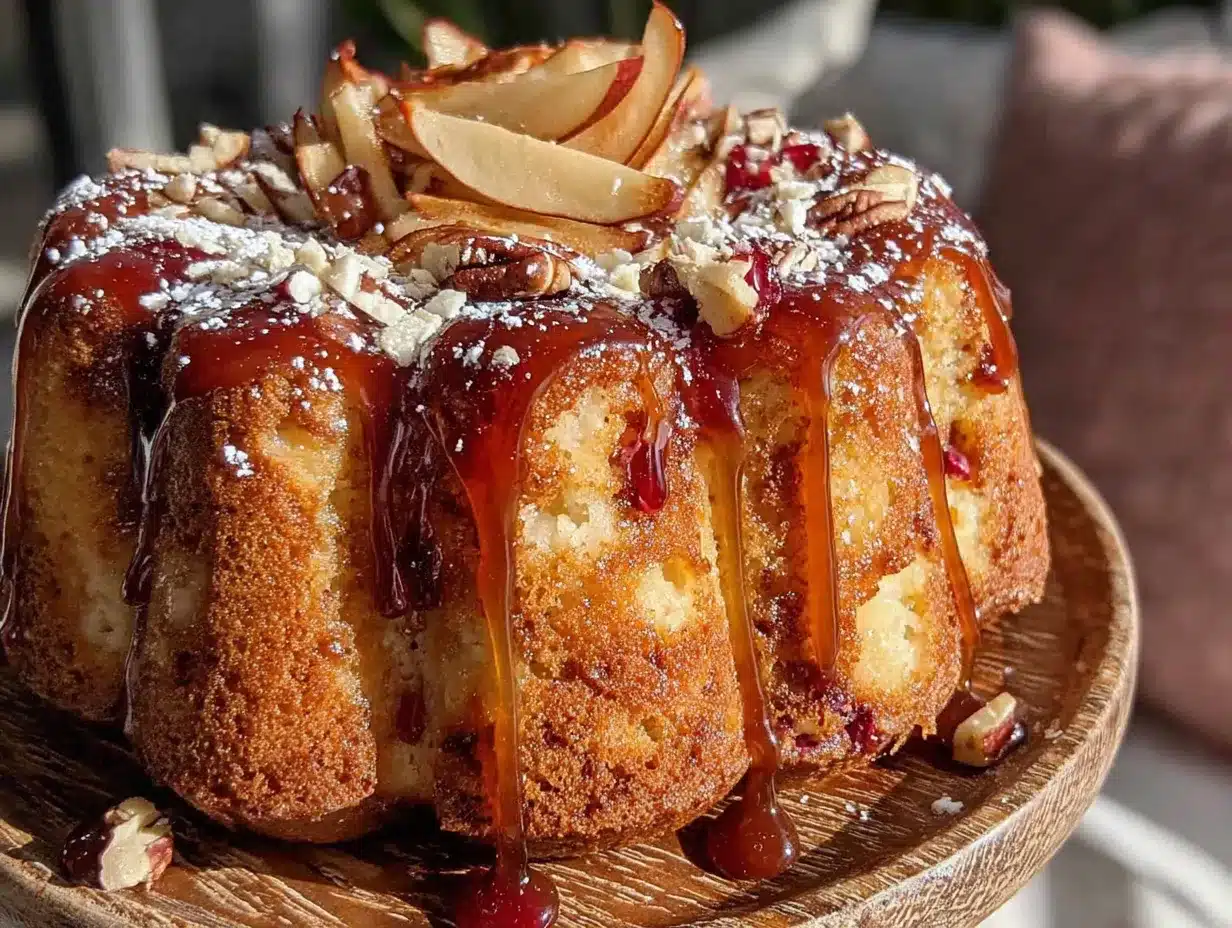
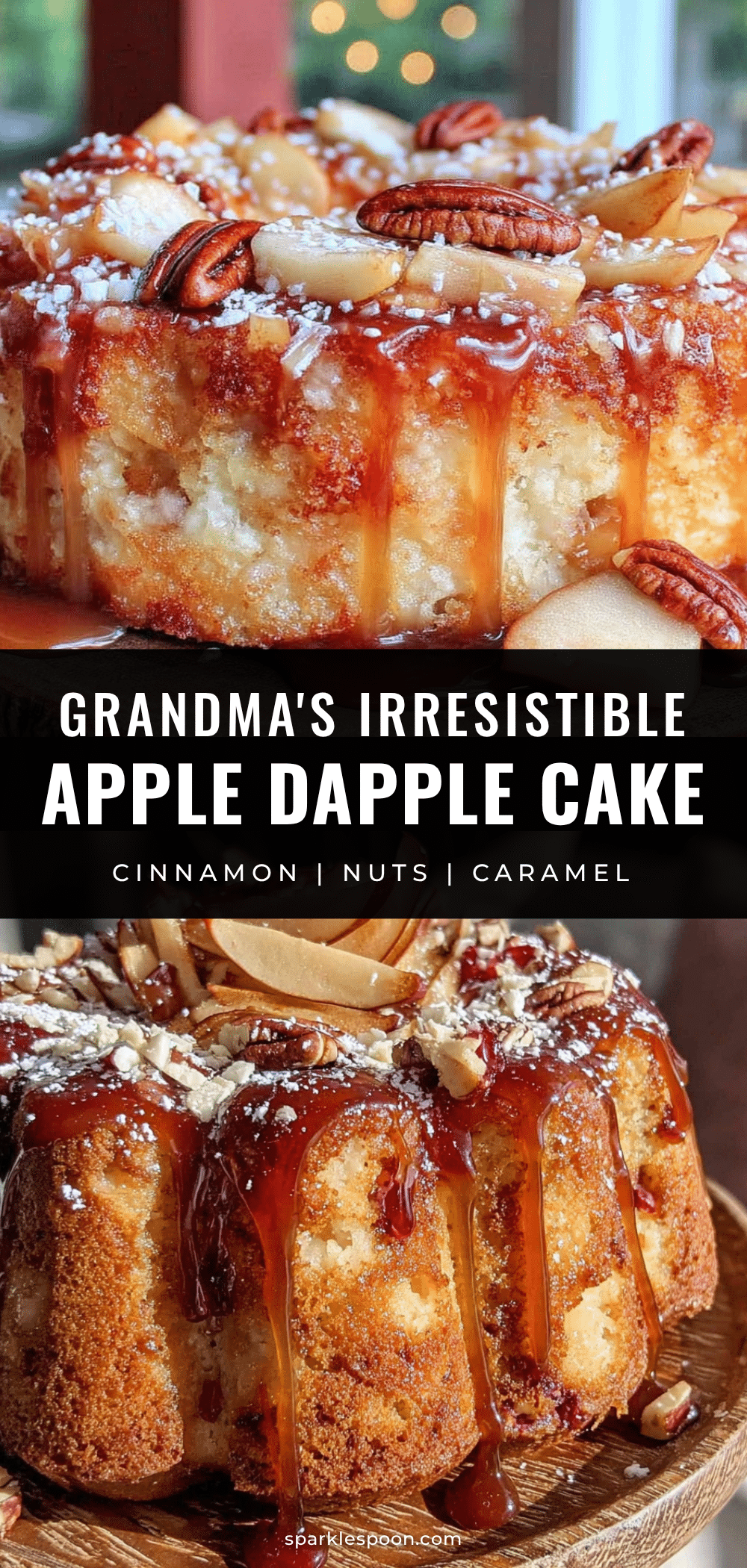
The smell that filled my kitchen was something else entirely. It wasn’t just sweet—it was warm and deep, like the kind of comfort you can’t buy in a store. When I pulled that cake out of the oven, the top was crackled and golden, and little bits of apple peeked through the surface like buried treasure. I let it cool for maybe ten minutes before cutting into it—I couldn’t wait. The first bite had this unexpected tenderness, almost like a pound cake but with these juicy pockets of apple that melted on my tongue. I actually closed my eyes. Maybe you’ve been there, where a single bite takes you somewhere you didn’t know you needed to go.
I kept making it every week after that. I tweaked a few things—added a touch more vanilla, swapped in brown sugar for some of the white—but the soul of it stayed the same. Mrs. Kowalski’s mother’s recipe became my go-to for everything: fall gatherings, lazy Sunday mornings, even a Tuesday night when I just needed something good. That’s the thing about this grandma’s apple dapple cake. It doesn’t ask for fancy ingredients or special skills. It just asks for a little time and a little trust. And honestly, that’s what makes it unforgettable.
Why You’ll Love This Recipe
Let me tell you why this apple dapple cake has earned a permanent spot in my recipe rotation. I’ve tested it at least a dozen times—sometimes on purpose, sometimes because I forgot an ingredient and had to improvise. Every single time, it delivered. That’s rare in the baking world, trust me.
- Incredibly Moist: The grated apples release just enough juice during baking to keep every bite tender without making it soggy. You won’t need a glass of milk to wash it down—though you’ll probably want one anyway.
- Simple Pantry Ingredients: No trips to specialty stores required. Flour, sugar, eggs, oil, apples—you probably have most of this in your kitchen right now. Even the nuts are optional, so don’t stress if you’re out.
- Perfect for Fall Gatherings: This cake shows up at every Thanksgiving, Friendsgiving, and cozy dinner party I attend. It travels well, slices cleanly, and somehow tastes even better the next day.
- Crowd-Pleaser Across Generations: I’ve served it to kids who usually push dessert away and to grandparents who request the recipe before leaving. It’s that universal kind of good.
- Forgiving Recipe: Messed up the measurements? Forgot to set a timer? This cake handles mistakes gracefully. It’s practically foolproof, which is exactly what a busy home cook needs.
What makes this version different from other apple cakes out there is the texture. Most are either too dense or too crumbly. This one hits that sweet spot—a tender crumb with a slight crust on the outside, studded with soft apple pieces and crunchy pecans. I spent weeks testing ratios to get it just right, and I can honestly say this is the best version I’ve ever made. It’s comfort food that actually delivers on its promise.
This recipe isn’t just good—it’s the kind that makes you close your eyes after the first bite. It’s the dessert you bring to a potluck when you want to impress without stress. It’s the cake you make on a rainy afternoon just because. And honestly? That’s the best kind of recipe to have in your back pocket.
What Ingredients You Will Need
This apple dapple cake uses simple, wholesome ingredients that work together to create something truly special. Most of these are pantry staples, which means you can whip this up on a whim without a special grocery run. Here’s what you’ll need and why each one matters.
For the Cake
- 3 cups all-purpose flour (spooned and leveled—don’t scoop directly from the bag or it’ll be too dense)
- 2 cups granulated sugar (adds sweetness and helps create that crackly top crust)
- 1 cup light brown sugar, packed (brings moisture and a subtle molasses depth that pairs beautifully with apples)
- 1 ½ cups vegetable oil (keeps the cake tender for days; I use canola or avocado oil for a neutral flavor)
- 3 large eggs, room temperature (cold eggs can seize the batter, so let them sit out for 30 minutes first)
- 1 tablespoon vanilla extract (real vanilla makes a difference here—skip the imitation stuff)
- 3 cups peeled and grated apples (about 3-4 medium apples; Granny Smith or Honeycrisp work best for their firm texture)
- 1 cup chopped pecans or walnuts (optional, but I love the crunch; toast them lightly for extra flavor)
For the Dry Mix
- 2 teaspoons baking soda (helps the cake rise properly—make sure it’s fresh)
- 1 teaspoon salt (balances the sweetness and enhances the apple flavor)
- 2 teaspoons ground cinnamon (the classic apple cake spice; I prefer Saigon cinnamon for its warmth)
- ½ teaspoon ground nutmeg (adds a subtle earthiness that cinnamon alone can’t provide)
- ½ teaspoon ground allspice (my secret ingredient—it ties everything together)
For the Brown Sugar Glaze (Optional but Recommended)
- ½ cup unsalted butter (use good quality—it’s the base of the glaze)
- 1 cup packed light brown sugar (creates a caramel-like richness)
- ¼ cup milk (whole milk gives the creamiest result, but 2% works fine)
- 1 teaspoon vanilla extract (added off the heat to preserve its flavor)
I recommend using Granny Smith apples for this recipe because they hold their shape during baking and add a pleasant tartness that cuts through the sweetness. If you only have sweeter apples like Gala or Fuji, reduce the sugar by a quarter cup to balance things out. For a gluten-free version, swap the all-purpose flour with a 1:1 gluten-free baking blend—I’ve had great results with Bob’s Red Mill brand. And if you’re nut-free, simply leave out the pecans or substitute with toasted sunflower seeds for crunch.
One thing I learned the hard way: grate your apples just before mixing them into the batter. If you grate them too early, they’ll oxidize and turn brown, which doesn’t affect the taste but makes the batter look unappetizing. Also, don’t squeeze the moisture out of the grated apples—that liquid is what keeps the cake moist. Trust the process on this one.
Equipment Needed
You don’t need a fancy kitchen to make this apple dapple cake. Here’s what you’ll need, along with a few tips from my own trial and error.
- 10-cup Bundt pan or 9×13-inch baking pan: A Bundt pan gives that classic look, but a rectangular pan works perfectly too. If using a Bundt pan, make sure to grease it thoroughly—I use a pastry brush to get into all the crevices.
- Large mixing bowls (at least 2): One for the dry ingredients, one for the wet. Glass or stainless steel works best since they don’t retain odors.
- Box grater or food processor with grating disk: A box grater is perfectly fine, but a food processor saves serious time if you’re making this often. Just be careful not to over-process—you want shreds, not mush.
- Whisk and rubber spatula: A whisk for combining dry ingredients and a spatula for folding in the apples and nuts without overmixing.
- Cooling rack: Essential for even cooling. If you don’t have one, you can balance the pan on two upside-down ramekins—I’ve done it in a pinch.
- Measuring cups and spoons: For accuracy. I prefer metal measuring cups for dry ingredients and glass for liquids.
If you don’t own a Bundt pan, don’t run out and buy one just for this recipe. A 9×13-inch pan works beautifully and reduces the baking time by about 10 minutes. I’ve also made this as muffins (about 20-22 minutes at 350°F) and as a loaf cake (about 55-60 minutes). The recipe is flexible like that.
Preparation Method
Alright, let’s get baking. I’ll walk you through every step so you get that perfect, tender crumb every single time. Set aside about 20 minutes for prep and 60-70 minutes for baking.
- Preheat your oven to 350°F (175°C). Get this going first so it’s ready when you are. Grease your Bundt pan thoroughly with butter or non-stick spray, then dust it with a light coating of flour. Tap out any excess—this step is non-negotiable if you want the cake to release cleanly.
- Peel and grate your apples. You’ll need about 3 cups of grated apples, which is roughly 3-4 medium apples. I use a box grater with the large holes. Work quickly and set the grated apples aside in a bowl. Don’t drain the juice—that liquid gold is what makes this cake so moist.
- Whisk the dry ingredients together. In a large bowl, combine 3 cups all-purpose flour, 2 teaspoons baking soda, 1 teaspoon salt, 2 teaspoons cinnamon, ½ teaspoon nutmeg, and ½ teaspoon allspice. Whisk until evenly distributed. This ensures your leavening and spices are spread throughout the batter.
- Mix the wet ingredients. In another large bowl, whisk together 1 ½ cups vegetable oil, 2 cups granulated sugar, and 1 cup packed brown sugar until smooth. Add 3 room-temperature eggs one at a time, whisking well after each. Stir in 1 tablespoon vanilla extract. The mixture should look glossy and slightly thickened.
- Combine wet and dry. Pour the dry ingredients into the wet mixture. Stir with a rubber spatula until just combined—a few streaks of flour are okay. Overmixing at this stage will make the cake tough, so stop as soon as you don’t see dry flour anymore.
- Fold in the apples and nuts. Gently fold in the grated apples and 1 cup chopped pecans (if using). Use a folding motion—scoop from the bottom and turn over. The batter will be thick and chunky, which is exactly what you want. Don’t worry if it looks a bit lumpy; that’s the apple pieces doing their job.
- Pour the batter into the prepared pan. Spoon it into your greased Bundt pan and spread it evenly. Tap the pan on the counter a few times to release any air bubbles. The batter should fill the pan about two-thirds full.
- Bake for 60-70 minutes. Place the pan on the middle rack. Bake until a toothpick inserted into the center comes out clean or with just a few moist crumbs. Start checking at 55 minutes. The top should be deep golden brown and the edges should pull away slightly from the pan.
- Cool in the pan for 15 minutes. Set the pan on a cooling rack. This rest period allows the cake to set so it doesn’t fall apart when you invert it. Don’t skip this—I learned the hard way when my first attempt crumbled into a pile of delicious but messy chunks.
- Invert onto a cooling rack. Place the rack on top of the pan, hold them together firmly, and flip. Gently lift the pan off. If the cake sticks, let it cool another 5 minutes and try again. Let it cool completely before adding the glaze.
- Make the glaze (optional). In a small saucepan over medium heat, melt ½ cup unsalted butter. Stir in 1 cup packed brown sugar and ¼ cup milk. Bring to a gentle boil, stirring constantly, for about 2 minutes until slightly thickened. Remove from heat and stir in 1 teaspoon vanilla. Let it cool for 5 minutes, then drizzle over the cooled cake.
One thing I always do: set a timer for 15 minutes when the cake comes out of the oven. It’s easy to get distracted and let it cool too long in the pan, which can make it stick. Also, if you’re making the glaze, wait until the cake is completely cool—warm cake will absorb the glaze and turn soggy.
Cooking Tips & Techniques
After making this apple dapple cake more times than I can count, I’ve picked up a few tricks that make a real difference. Let me share the ones that matter most.
Room temperature ingredients are your friend. I know it’s tempting to use cold eggs straight from the fridge, but room temperature eggs emulsify better into the batter, creating a more uniform crumb. Take them out 30 minutes before you start. Same goes for the milk if you’re making the glaze. Trust me on this—it’s a small step that pays off big.
Don’t overmix the batter. This is probably the most common mistake I see. Once you add the dry ingredients to the wet, stir just until combined. Overmixing develops the gluten too much, which leads to a dense, tough cake. You want tender, not tough. A few lumps are perfectly fine—they’ll bake out.
Test for doneness properly. A toothpick inserted into the center should come out clean or with just a few moist crumbs attached. If it’s wet with batter, give it another 5-7 minutes. But here’s the thing: if the toothpick comes out completely dry, you’ve overbaked it. The perfect cake has a slight spring when you press the center gently.
Let the cake cool before glazing. I once got impatient and poured warm glaze over a slightly warm cake. It looked beautiful for about five minutes, then the glaze soaked in completely and left me with a sticky, soggy mess. Lesson learned. Let the cake cool fully—at least an hour—before adding any glaze or frosting.
Use a kitchen scale for accuracy. If you have one, weighing your flour gives the most consistent results. One cup of all-purpose flour should weigh about 120-125 grams. Scooping directly from the bag can pack in up to 150 grams per cup, which throws off the moisture balance. I learned this after a few too-dry batches.
I once forgot the baking soda entirely. The cake came out flat and dense, like a really sad apple pancake. It still tasted okay, but it was a reminder that leavening agents matter. Double-check your ingredients before you start mixing. It saves a lot of disappointment later.
Variations & Adaptations
One of the best things about this apple dapple cake is how adaptable it is. Here are some variations I’ve tried and loved.
Dietary Adaptations
- Gluten-Free: Swap the all-purpose flour with a 1:1 gluten-free baking blend. I’ve used King Arthur Measure for Measure and Bob’s Red Mill with great results. Add 1 teaspoon of xanthan gum if your blend doesn’t include it.
- Dairy-Free: The cake itself is dairy-free since it uses oil instead of butter. For the glaze, substitute the butter with vegan butter and the milk with oat or almond milk. Coconut milk works too but adds a slight coconut flavor.
- Egg-Free: Replace each egg with a flax egg (1 tablespoon ground flaxseed mixed with 3 tablespoons water, left to sit for 5 minutes). The texture will be slightly denser but still delicious.
Flavor Twists
- Apple Cider Dapple Cake: Replace ¼ cup of the oil with apple cider for a tangy kick. Reduce the sugar by 2 tablespoons since cider adds sweetness.
- Caramel Apple Version: Swirl ½ cup of store-bought or homemade caramel sauce into the batter before baking. Drizzle more on top after cooling.
- Spiced Apple Cake: Add 1 teaspoon ground ginger and ½ teaspoon ground cloves to the dry ingredients. It gives a warm, holiday-inspired flavor.
Seasonal Variations
- Spring/Summer: Swap the apples for 3 cups of grated zucchini (squeeze out excess moisture first) or 2 cups of fresh blueberries. Adjust sugar down slightly for zucchini, up slightly for blueberries.
- Fall/Winter: Use a mix of apple varieties—half Granny Smith for tartness, half Honeycrisp for sweetness. Add ½ cup dried cranberries or chopped dried figs for extra texture.
My personal favorite variation is the one I stumbled into accidentally: using a mix of pear and apple instead of just apple. I had two pears sitting on the counter that needed using, so I grated them along with two apples. The cake turned out even more tender, with a subtle floral sweetness that I still think about. Sometimes the best recipes come from happy accidents.
Serving & Storage Suggestions
This apple dapple cake is versatile enough for any occasion. Here’s how to serve and store it for the best experience.
Serving: I like to serve this cake slightly warm—not hot, just a gentle warmth that makes the spices bloom. If you’ve made the glaze, let the cake come to room temperature after glazing. A slice pairs beautifully with a dollop of whipped cream or a scoop of vanilla bean ice cream. For a cozier vibe, serve it with a mug of hot apple cider or a spiced chai latte. It also holds its own as a breakfast cake alongside a strong cup of coffee.
Presentation: Dust the top with powdered sugar if you skip the glaze. For special occasions, arrange thin apple slices on top before baking for a beautiful natural design. A sprinkle of flaky sea salt over the glaze adds a lovely sweet-salty contrast that I’ve become obsessed with.
Storage: Store the cake in an airtight container at room temperature for up to 4 days. The moisture actually improves over the first two days as the apple juices continue to distribute. If you’ve glazed it, store it in the refrigerator to prevent the glaze from getting too sticky—bring slices to room temperature before serving.
Freezing: This cake freezes beautifully. Wrap the completely cooled, unglazed cake tightly in plastic wrap, then in aluminum foil. Freeze for up to 3 months. To thaw, let it sit at room temperature for 4-6 hours, then glaze and serve. I often bake two and freeze one for unexpected guests or lazy weekends.
Reheating: For that fresh-from-the-oven warmth, microwave individual slices for 15-20 seconds. For a whole cake, warm it in a 300°F oven for 10-15 minutes. The glaze will get slightly melty and amazing.
One thing I’ve noticed: the flavors deepen and meld beautifully by day two. If you can resist eating it all on day one, you’re in for a treat. The apple pieces soften further, the spices settle, and every bite tastes more cohesive.
Nutritional Information & Benefits
While this is definitely a treat, there are a few redeeming qualities worth mentioning. Here’s the estimated nutritional breakdown per slice (based on 12 servings, with glaze).
- Calories: Approximately 480-520 per slice
- Total Fat: 24g (mostly from heart-healthy vegetable oil and nuts)
- Carbohydrates: 65g
- Protein: 5g
- Fiber: 3g (thanks to the apples and nuts)
- Sugar: 42g (natural and added)
Apples are a great source of dietary fiber and vitamin C, especially if you leave the skin on (though I peel mine for texture). The pecans or walnuts add healthy omega-3 fatty acids and a bit of protein. Cinnamon has been studied for its anti-inflammatory properties and can help regulate blood sugar levels. So while this cake isn’t health food, it does have a few nutritional bright spots.
If you’re watching your sugar intake, you can reduce the granulated sugar by ¼ cup without significantly affecting the texture. The brown sugar adds moisture, so I’d leave that as is. For a lower-fat option, replace half the oil with unsweetened applesauce—the cake will be slightly denser but still delicious.
This recipe contains gluten (from flour), dairy (in the glaze), and nuts (optional). For allergen-friendly versions, check the variations section above.
Conclusion
This grandma’s apple dapple cake is more than just a dessert—it’s the kind of recipe that becomes part of your story. It’s the cake you make when you want to feel connected to something warm and real. It’s the dessert that gets requested at every family gathering, the one people ask for the recipe before they’ve even finished their slice.
I’ve made this cake in my tiny apartment kitchen, in a borrowed cabin with mismatched pans, and for a crowd of strangers who became friends over a shared table. Every time, it delivers. The tender crumb, the pockets of sweet apple, the crackly top that gives way to something soft underneath—it’s comfort in its purest form.
I hope you make this recipe your own. Add extra cinnamon if that’s your thing. Skip the nuts if you’re not a fan. Drizzle on extra glaze because why not? The best recipes are the ones that bend to fit your life. And honestly? This one bends beautifully.
If you give this apple dapple cake a try, I’d love to hear about it. Drop a comment below and tell me how it turned out—did you add a twist? Did it remind you of someone’s baking from your past? Share a photo if you’re feeling proud. Let’s keep this recipe alive, one slice at a time.
Frequently Asked Questions
Can I use a different type of apple for this cake?
Absolutely. Granny Smith apples are my top pick for their tartness and firm texture, but Honeycrisp, Braeburn, or Pink Lady all work well. Avoid Red Delicious or McIntosh—they break down too much during baking and can make the cake mushy.
Do I have to peel the apples?
I recommend peeling them for a smoother texture. The peels can become tough and chewy after baking, which is fine in an apple crisp but less pleasant in a tender cake. If you’re short on time, you can leave them on, just grate them finely.
Can I make this cake ahead of time?
Yes, and it actually tastes better the next day. Bake the cake, let it cool completely, and store it tightly wrapped at room temperature. Add the glaze just before serving to keep it fresh. You can bake it up to two days in advance.
Why did my cake stick to the Bundt pan?
This usually happens when the pan isn’t greased thoroughly enough. Use a pastry brush to apply butter or shortening into every crevice, then dust with flour and tap out the excess. Let the cake cool in the pan for exactly 15 minutes before inverting—too long and it sticks, too short and it breaks.
Can I freeze this cake with the glaze on it?
I don’t recommend it. The glaze can become grainy or weepy after freezing and thawing. Freeze the unglazed cake instead, then make fresh glaze when you’re ready to serve. It takes five minutes and makes a world of difference in texture and appearance.
Pin This Recipe!
Grandma’s Apple Dapple Cake: Easy, Best Homemade Recipe
This incredibly moist apple dapple cake features tender crumb, pockets of sweet apple, and a crackly top. Made with simple pantry ingredients, it’s a foolproof, crowd-pleasing dessert perfect for fall gatherings or any occasion.
- Prep Time: 20 minutes
- Cook Time: 60-70 minutes
- Total Time: 1 hour 30 minutes
- Yield: 12 servings 1x
- Category: Dessert
- Cuisine: American
Ingredients
- 3 cups all-purpose flour (spooned and leveled)
- 2 cups granulated sugar
- 1 cup light brown sugar, packed
- 1 ½ cups vegetable oil (canola or avocado oil)
- 3 large eggs, room temperature
- 1 tablespoon vanilla extract
- 3 cups peeled and grated apples (about 3–4 medium apples; Granny Smith or Honeycrisp recommended)
- 1 cup chopped pecans or walnuts (optional)
- 2 teaspoons baking soda
- 1 teaspoon salt
- 2 teaspoons ground cinnamon
- ½ teaspoon ground nutmeg
- ½ teaspoon ground allspice
- ½ cup unsalted butter (for glaze)
- 1 cup packed light brown sugar (for glaze)
- ¼ cup milk (whole milk preferred, for glaze)
- 1 teaspoon vanilla extract (for glaze)
Instructions
- Preheat your oven to 350°F (175°C). Grease a 10-cup Bundt pan thoroughly with butter or non-stick spray, then dust with flour and tap out excess.
- Peel and grate the apples to get 3 cups. Set aside in a bowl; do not drain the juice.
- In a large bowl, whisk together the flour, baking soda, salt, cinnamon, nutmeg, and allspice until evenly distributed.
- In another large bowl, whisk together the vegetable oil, granulated sugar, and brown sugar until smooth. Add the eggs one at a time, whisking well after each. Stir in the vanilla extract until glossy and slightly thickened.
- Pour the dry ingredients into the wet mixture. Stir with a rubber spatula until just combined; a few streaks of flour are okay. Do not overmix.
- Gently fold in the grated apples and chopped pecans (if using) using a folding motion until evenly distributed. The batter will be thick and chunky.
- Spoon the batter into the prepared Bundt pan and spread evenly. Tap the pan on the counter a few times to release air bubbles.
- Bake on the middle rack for 60-70 minutes, until a toothpick inserted into the center comes out clean or with a few moist crumbs. Start checking at 55 minutes.
- Cool the cake in the pan on a cooling rack for exactly 15 minutes.
- Invert the cake onto a cooling rack and let it cool completely before glazing.
- To make the glaze: In a small saucepan over medium heat, melt the butter. Stir in the brown sugar and milk. Bring to a gentle boil, stirring constantly, for about 2 minutes until slightly thickened. Remove from heat and stir in the vanilla. Let cool for 5 minutes, then drizzle over the cooled cake.
Notes
Use room temperature eggs for better emulsification. Do not overmix the batter to avoid a dense cake. Let the cake cool completely before glazing to prevent sogginess. The cake tastes even better the next day as flavors meld. For gluten-free, use a 1:1 gluten-free baking blend. For dairy-free, use vegan butter and oat or almond milk in the glaze. Freeze unglazed cake for up to 3 months.
Nutrition
- Serving Size: 1 slice
- Calories: 480520
- Sugar: 42
- Sodium: 380
- Fat: 24
- Saturated Fat: 6
- Carbohydrates: 65
- Fiber: 3
- Protein: 5
Keywords: apple dapple cake, grandma's apple cake, easy apple cake, moist apple cake, fall dessert, homemade apple cake, bundt cake, apple recipe