Love this? Save it for later!
Share the inspiration with your friends
It was 10:47 PM on a random Wednesday, and I was supposed to be meal-prepping for the week. Instead, I was staring into my crisper drawer like it held the secrets to the universe. I had one lonely honeynut squash—the cute little cousin of butternut—that I’d bought on impulse at the farmer’s market three days ago. I didn’t have a plan, but I had butter, I had sage from the pot on my windowsill that was about to give up on life, and I had this wild idea that brown butter could fix just about anything.
Honestly, I was tired. The kind of tired where you don’t want to chop anything complicated or wash more than one pan. But there was something about that tiny squash, sitting there all orange and unassuming, that felt like a challenge. I grabbed my sharpest knife and just started cutting. No recipe, no rules, just a hunch that if I browned the butter just right and let the sage get crispy, this simple vegetable could become something truly special.
And you know what? It worked. Better than worked—it was one of those happy accidents where the kitchen gods were on my side. The apartment smelled like nutty, toasty heaven, and I stood there eating squash straight from the pan at midnight. Maybe you’ve been there—that moment when a last-minute experiment turns into your new favorite thing. This is that recipe. The one you didn’t know you needed, but now you’ll make it every fall, every holiday, every time you want to feel like you’ve got your life together even when your kitchen is a mess.
Why You’ll Love This Recipe
Let me tell you why this brown butter honeynut squash with sage is about to become your fall obsession. I’ve tested this recipe at least a dozen times—for friends, for family dinners, and honestly, just for myself on quiet nights when I needed something comforting. It’s that good.
- Quick & Easy: From start to finish, you’re looking at about 35 minutes. No marinating, no complicated techniques—just simple cooking that delivers big flavor.
- Simple Ingredients: You only need five main ingredients: honeynut squash, butter, fresh sage, salt, and pepper. Chances are you already have most of these in your kitchen right now.
- Perfect for Fall Gatherings: This dish steals the show at Thanksgiving, Friendsgiving, or any cozy dinner party. It’s elegant enough for company but easy enough for a Tuesday night.
- Crowd-Pleaser Approved: I’ve served this to picky eaters, vegetable skeptics, and full-on squash converts. Every single person went back for seconds.
- Unbelievably Delicious: The brown butter brings this nutty, almost caramel-like richness that transforms humble squash into something absolutely crave-worthy. The crispy sage on top? Pure magic.
What makes this recipe different from all the other squash recipes out there? It’s the technique. Browning the butter until it’s golden and fragrant—not burnt—creates a depth of flavor that feels fancy without any extra effort. Plus, using honeynut squash instead of butternut means you get a naturally sweeter, more concentrated flavor with a creamy texture that doesn’t need much help to shine. This isn’t just another roasted vegetable side dish; it’s the one that’ll make you close your eyes after the first bite.
What Ingredients You Will Need
This recipe uses simple, wholesome ingredients to deliver bold flavor and satisfying texture without the fuss. Everything is easy to find at your local grocery store or farmer’s market during fall.
- Honeynut squash (2-3 medium): These little guys are smaller than butternut squash, usually about 4-6 inches long. They have a thinner skin that doesn’t need peeling (yes, you can eat it!), and their flavor is sweeter and more concentrated. Look for ones that feel heavy for their size with a deep orange color.
- Unsalted butter (4 tablespoons or ½ stick): I recommend using unsalted so you can control the salt level. Kerrygold or any European-style butter works beautifully here because the higher fat content browns more evenly and tastes richer.
- Fresh sage leaves (10-12 leaves): Fresh is non-negotiable for this recipe—dried sage just won’t give you that same aromatic, slightly peppery flavor. Look for leaves that are vibrant green and not wilted. If you have a sage plant at home, even better.
- Kosher salt (1 teaspoon, plus more to taste): I use Diamond Crystal kosher salt because it’s less salty by volume, making it easier to season without overdoing it. If you’re using table salt, start with half the amount.
- Freshly ground black pepper (½ teaspoon): Always grind it fresh—the pre-ground stuff loses its punch. Good pepper adds a subtle warmth that complements the nutty brown butter perfectly.
- Optional: Maple syrup or honey (1 tablespoon): If your squash isn’t as sweet as you’d like, a light drizzle before roasting can enhance the natural sugars. I’ve done it both ways, and honestly, it’s delicious either way.
- Optional: Flaky sea salt (for finishing): A sprinkle of Maldon or any flaky salt right before serving adds a lovely crunch and pop of saltiness that contrasts with the sweet, buttery squash.
One ingredient tip I’ve learned the hard way: don’t skip the fresh sage. I tried this once with dried sage because I was out of fresh, and the texture was all wrong—it got dusty and didn’t crisp up. Fresh sage leaves are the star here, so trust me on this one.
Equipment Needed
You don’t need a fancy kitchen to make this recipe shine. Here’s what you’ll need:
- Sharp chef’s knife (8-inch recommended): Honeynut squash can be tough to cut, especially if your knife is dull. A sharp knife makes all the difference and keeps you safe. I use my Wusthof classic for this—it’s worth the investment.
- Cutting board: A sturdy wooden or plastic board works fine. Just make sure it’s stable and won’t slide around while you’re cutting.
- Large skillet or sauté pan (10-12 inches): You need enough surface area to brown the butter without crowding the squash. I love my cast iron skillet for this—it holds heat beautifully and gives the squash nice caramelization. A stainless steel pan works great too.
- Baking sheet (optional): If you prefer to roast the squash instead of pan-frying, you’ll need a rimmed baking sheet lined with parchment paper for easy cleanup.
- Spatula or wooden spoon: For stirring the butter and flipping the squash. A silicone spatula is great for scraping every last bit of that brown butter goodness.
- Small bowl: To hold the crispy sage leaves after you remove them from the pan.
If you don’t have a cast iron skillet, don’t worry—any heavy-bottomed pan will do. The key is even heat distribution so the butter browns evenly without burning in spots.
Preparation Method
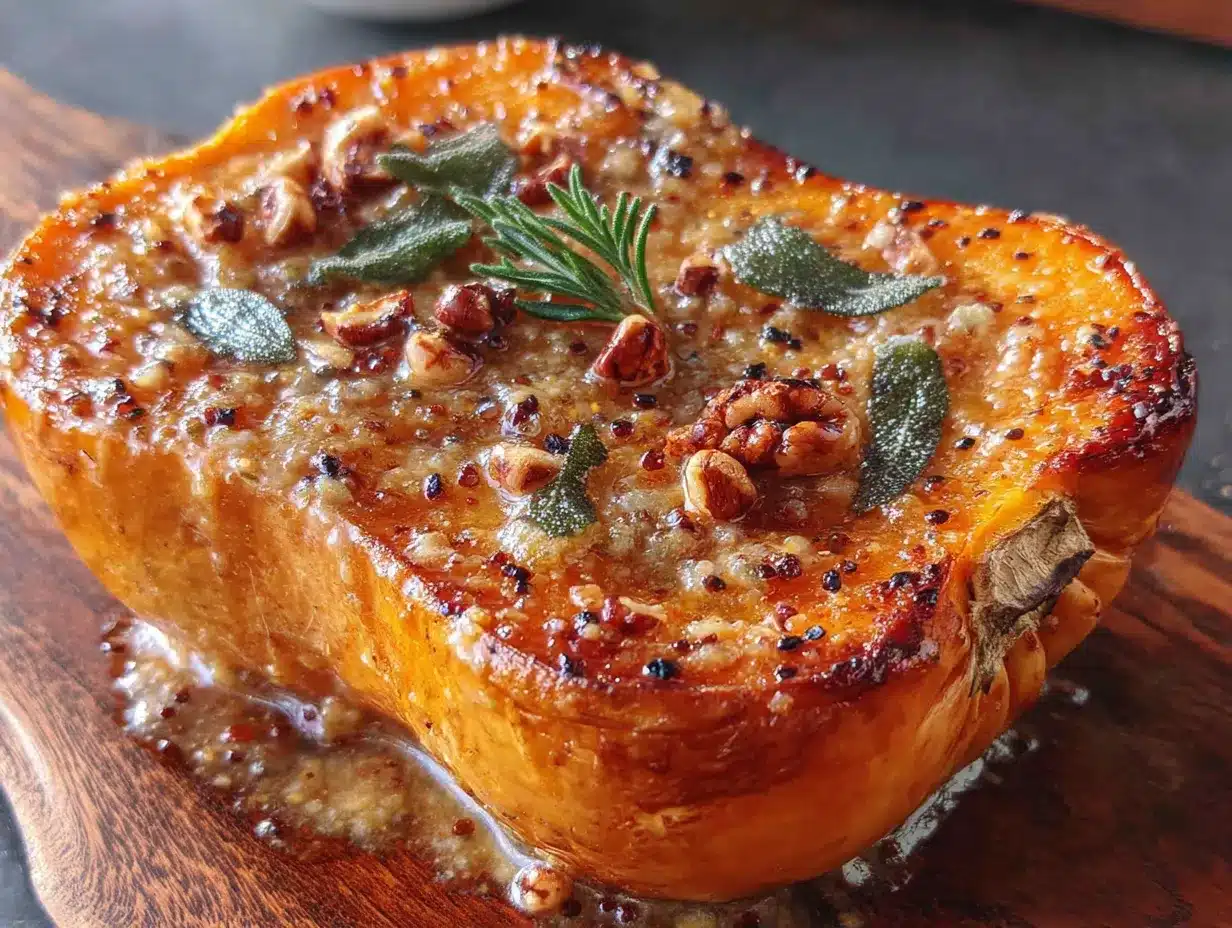
Alright, let’s get cooking. Follow these steps carefully, and you’ll have the most incredible brown butter honeynut squash with sage on your table in about 35 minutes.
- Prep the squash (5 minutes): Wash your honeynut squash thoroughly under running water—remember, we’re eating the skin. Pat them dry. Using your sharp chef’s knife, carefully cut off the stem end and the very bottom tip. Slice each squash in half lengthwise. Scoop out the seeds and stringy bits with a spoon. Now, slice each half into ½-inch thick half-moons. Don’t worry if they’re not perfectly uniform—just try to keep them similar in size so they cook evenly.
- Season the squash (2 minutes): Place the squash slices in a large bowl. Drizzle with about 1 tablespoon of olive oil (or melted butter if you’re feeling extra indulgent). Sprinkle with ½ teaspoon of kosher salt and ¼ teaspoon of black pepper. Toss gently with your hands until every piece is lightly coated. Set aside while you make the brown butter.
- Brown the butter (5-7 minutes): Place your skillet over medium heat. Add the 4 tablespoons of butter. Let it melt, swirling the pan occasionally. The butter will start to foam and bubble—that’s normal. Keep a close eye on it. After about 3-4 minutes, the foam will subside, and you’ll see little golden-brown specks forming at the bottom of the pan. The butter will smell nutty and toasty, like toasted hazelnuts. This is your moment. As soon as it turns a warm amber color, remove the pan from heat immediately. If you wait too long, it’ll burn and turn bitter.
- Crisp the sage (2 minutes): While the butter is still hot, carefully drop in your fresh sage leaves one at a time. They’ll sizzle and crisp up in about 20-30 seconds. Use your spatula to flip them once. When they’re dark green and slightly translucent, transfer them to a small paper towel-lined plate. They’ll crisp up further as they cool. Don’t overcrowd the pan—work in batches if needed.
- Cook the squash (12-15 minutes): Now, add the seasoned squash slices to the same skillet with the brown butter. Arrange them in a single layer as much as possible—if they’re crowded, they’ll steam instead of caramelizing. Cook over medium-high heat for 5-6 minutes without moving them. You want a deep golden crust to form. Flip each piece carefully with your spatula and cook for another 5-6 minutes on the second side. The squash should be tender when pierced with a fork and beautifully browned on both edges.
- Finish and serve (2 minutes): Once the squash is cooked through and caramelized, transfer it to a serving platter. Crumble the crispy sage leaves over the top. Drizzle any remaining brown butter from the pan over everything. Sprinkle with a pinch of flaky sea salt if you’re using it. Serve immediately while it’s warm and the sage is still crunchy.
A quick tip from my many trial runs: if the squash isn’t browning as quickly as you’d like, don’t turn the heat up too high. Medium-high is the sweet spot. Too high, and the butter will burn before the squash is cooked through. Patience pays off here.
Cooking Tips & Techniques
After making this brown butter honeynut squash with sage more times than I can count, I’ve picked up a few tricks that make a real difference. Let me share them so you don’t have to learn the hard way.
The biggest mistake I see people make is burning the brown butter. I did it myself the first three times I tried. Here’s the thing: brown butter goes from perfect to burnt in about 15 seconds. Once you see those golden specks and smell that nutty aroma, pull it off the heat immediately. The residual heat will continue cooking it slightly, so err on the side of taking it off earlier rather than later.
Another common issue is soggy squash. If your squash pieces are too thick, they’ll steam instead of caramelizing. Aim for ½-inch thickness—not thinner, or they’ll fall apart, and not thicker, or they’ll take forever to cook. Also, make sure your pan is hot enough before adding the squash. You should hear a nice sizzle when they hit the butter.
For the best texture, don’t skip the resting step after crisping the sage. The sage leaves need that time on the paper towel to dry out and become truly crispy. If you crumble them while they’re still warm and slightly oily, they’ll be chewy instead of shattery.
Multitasking is your friend here. While the butter is browning, you can be prepping the squash. While the squash is cooking on one side, use that time to clean up your cutting board. This recipe comes together fast, so having everything ready before you start cooking makes the whole process stress-free.
One last tip: taste as you go. Squash sweetness varies depending on the season and how fresh it is. If your squash isn’t as sweet as you’d like, that’s when I add a tiny drizzle of maple syrup right at the end. It’s not cheating—it’s adapting.
Variations & Adaptations
This recipe is incredibly flexible, and I love playing around with different versions depending on what I have on hand or who I’m cooking for. Here are some of my favorite variations.
Vegan version: Swap the butter for a high-quality vegan butter or coconut oil. Miyoko’s European-style cultured vegan butter browns surprisingly well and gives a similar nutty flavor. Use the same technique—just watch it carefully because vegan butter can burn faster than dairy butter.
Spicy maple twist: After browning the butter, stir in 1 tablespoon of maple syrup and a pinch of cayenne pepper or red pepper flakes. The heat combined with the sweet maple and nutty butter is absolutely addictive. I made this version for a Friendsgiving potluck, and people were literally asking for the recipe before they finished eating.
Herb variation: Not a fan of sage? No problem. Try fresh thyme sprigs or rosemary instead. Thyme gives a more subtle, earthy flavor that pairs beautifully with the brown butter. Rosemary is bolder and more aromatic—just use less because it can overpower the dish.
Roasted method: If you’re making a big batch for a crowd, roasting is easier. Preheat your oven to 400°F. Toss the squash with the brown butter and sage (reserve some sage for garnish), spread on a baking sheet, and roast for 20-25 minutes, flipping halfway through. The texture will be slightly different—softer and more tender—but just as delicious.
Add some crunch: Toast some pecans or walnuts in the brown butter before adding the squash. The nuts add a wonderful crunch and extra nuttiness that takes this dish to another level. I did this for Thanksgiving last year, and my uncle (who “doesn’t like squash”) ate three servings.
Serving & Storage Suggestions
This brown butter honeynut squash with sage is incredibly versatile when it comes to serving. Here’s how to make the most of it.
Serve it warm, right off the stove. The contrast between the warm, buttery squash and the crispy sage is at its peak within the first 15 minutes. If you’re serving it as part of a larger meal, time it so it finishes cooking just before you sit down to eat.
What to serve alongside: This dish pairs beautifully with roasted chicken, grilled pork chops, or a simple seared salmon. For a vegetarian meal, serve it over a bed of creamy polenta or alongside a hearty lentil salad. I also love it as a side for a cozy fall grain bowl with farro, roasted Brussels sprouts, and a drizzle of tahini dressing.
For holiday gatherings: This is my go-to side dish for Thanksgiving and Christmas. It holds up well on a buffet table and looks gorgeous on a platter. I often double the recipe and arrange the squash in overlapping rows, then sprinkle the crispy sage and flaky salt on top for a presentation that looks way more impressive than the effort required.
Storage instructions: Leftovers can be stored in an airtight container in the refrigerator for up to 4 days. The sage will lose its crispness, but the flavor will still be amazing. I actually love eating leftovers cold straight from the fridge—the flavors meld together overnight and become even more delicious.
Reheating tips: To revive the texture, reheat the squash in a skillet over medium heat with a tiny splash of water or extra butter. Cover the pan for the first minute to steam it slightly, then uncover and let the moisture evaporate. The microwave works in a pinch, but the squash will be softer and less caramelized.
Freezer-friendly: Yes, you can freeze this! Let the cooked squash cool completely, then transfer to a freezer-safe container. It will keep for up to 3 months. Thaw overnight in the refrigerator and reheat in a skillet as described above. The texture won’t be quite as perfect as fresh, but it’s still delicious and so convenient for busy nights.
Nutritional Information & Benefits
Let’s talk about what’s actually in this dish beyond the incredible flavor. Honeynut squash is a nutritional powerhouse, and this recipe keeps things relatively light despite the butter.
Estimated nutritional values per serving (about ½ cup):
- Calories: 185
- Total Fat: 12g
- Saturated Fat: 7g
- Carbohydrates: 18g
- Fiber: 3g
- Sugar: 6g (natural)
- Protein: 2g
- Vitamin A: 350% of the Daily Value
- Vitamin C: 25% of the Daily Value
Health benefits of key ingredients: Honeynut squash is packed with beta-carotene, which your body converts into vitamin A for healthy vision and immune function. It’s also a good source of fiber, which supports digestive health and keeps you feeling full. Sage is rich in antioxidants and has anti-inflammatory properties. Even the butter, in moderation, provides fat-soluble vitamins A, D, E, and K that help your body absorb the nutrients from the squash.
Dietary considerations: This recipe is naturally gluten-free, grain-free, and vegetarian. For a dairy-free version, simply use vegan butter or coconut oil as mentioned in the variations section. It’s also low-carb friendly with only 18g of carbohydrates per serving, most of which come from fiber and natural sugars.
My personal take: I love that this dish feels indulgent but is actually packed with good-for-you ingredients. It’s the kind of food that nourishes your body and your soul at the same time—no guilt required.
Conclusion
So there you have it—my brown butter honeynut squash with sage that started as a late-night experiment and became a staple in my kitchen. This recipe is proof that you don’t need complicated techniques or fancy ingredients to make something truly special. Just a little patience, a watchful eye on that browning butter, and the willingness to trust your instincts.
I hope you give this recipe a try, whether it’s for a holiday gathering, a cozy weeknight dinner, or a quiet moment when you need something warm and comforting. And please, make it your own. Add a pinch of cinnamon if that sounds good, swap in thyme for the sage, or double the batch because trust me, leftovers disappear fast.
I’d love to hear how it turns out for you. Did you try a variation? Did your family fight over the last piece? Drop a comment below and let me know—I read every single one, and your stories are what keep me coming back to the kitchen to experiment. Until next time, happy cooking, and remember: the best recipes are the ones that make you feel something.
Frequently Asked Questions
Can I use butternut squash instead of honeynut?
Absolutely. Butternut squash works perfectly as a substitute. Just keep in mind that butternut is larger and less sweet than honeynut, so you may want to add a drizzle of maple syrup or honey to boost the sweetness. You’ll also need to peel the butternut squash since its skin is tougher and not as pleasant to eat.
How do I know when the brown butter is ready?
Watch for three signs: the butter will turn a warm amber color, you’ll see tiny golden-brown specks forming at the bottom of the pan, and it will smell nutty and toasty—like toasted hazelnuts. As soon as you notice these signs, remove the pan from heat immediately to prevent burning.
Can I make this recipe ahead of time?
Yes, with a small compromise. You can cook the squash and brown the butter up to 2 days ahead and store them separately in the refrigerator. When you’re ready to serve, reheat the squash in a skillet, then make fresh crispy sage leaves (they lose their crunch quickly). The fresh sage makes a big difference in texture.
What if I can’t find honeynut squash at my grocery store?
Don’t worry—you can use any winter squash variety. Delicata squash is my second favorite because its skin is also edible and it has a similar sweet, creamy texture. Acorn squash works too, though it’s slightly less sweet. Just adjust cooking times based on the size and density of your squash.
Is this recipe suitable for meal prep?
Definitely. This squash reheats beautifully and actually develops deeper flavor after a day in the fridge. Prepare a double batch on Sunday, store it in an airtight container, and enjoy it throughout the week as a quick side dish or added to grain bowls, salads, or pasta. Just wait to add the crispy sage until right before serving.
Pin This Recipe!
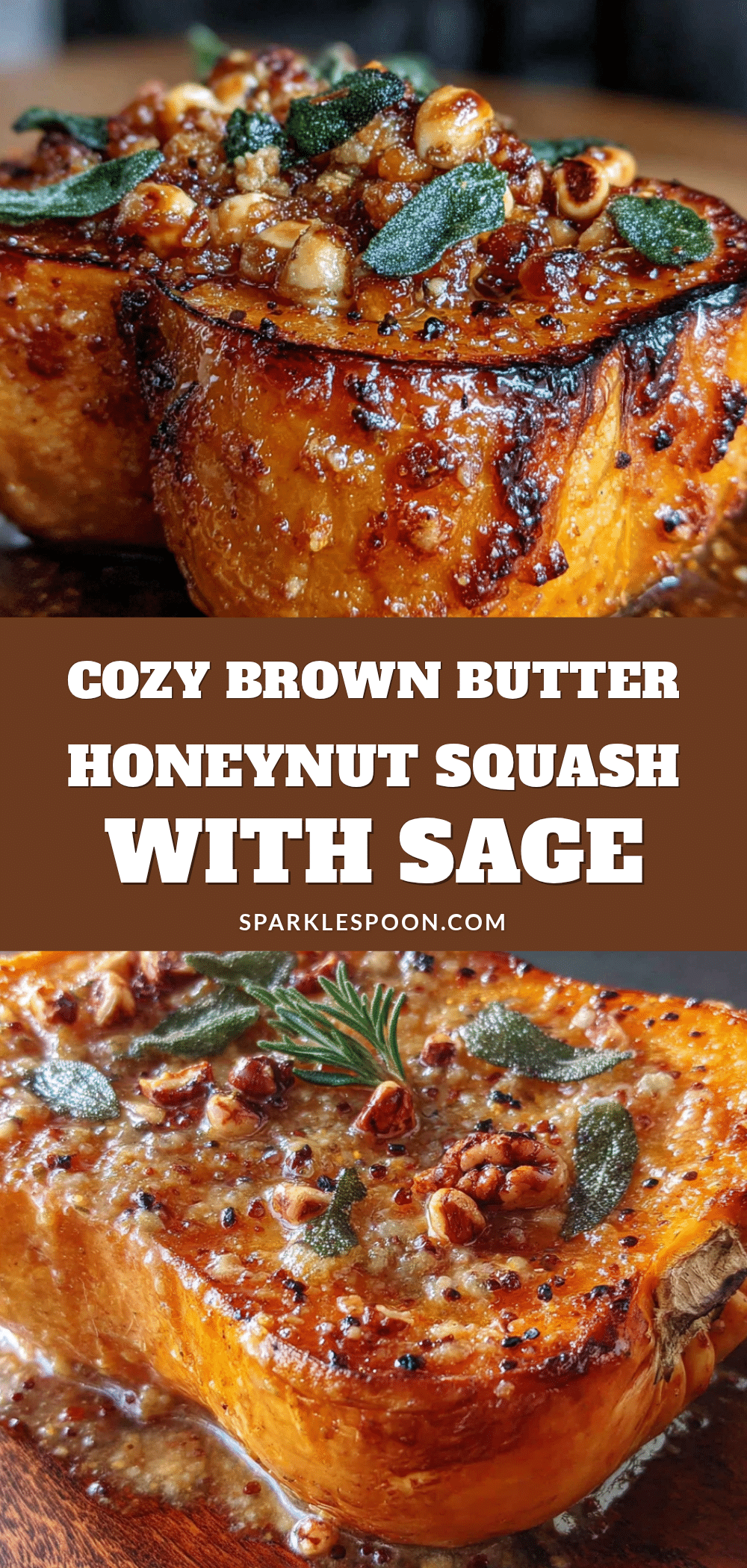
Cozy Brown Butter Honeynut Squash with Sage

A quick and easy fall side dish featuring sweet honeynut squash, nutty brown butter, and crispy sage. Ready in 35 minutes with just five main ingredients, this recipe is perfect for weeknights or holiday gatherings.
- Prep Time: 10 minutes
- Cook Time: 25 minutes
- Total Time: 35 minutes
- Yield: 4 servings 1x
- Category: Side Dish
- Cuisine: American
Ingredients
- 2–3 medium honeynut squash
- 4 tablespoons unsalted butter (½ stick)
- 10–12 fresh sage leaves
- 1 teaspoon kosher salt (plus more to taste)
- ½ teaspoon freshly ground black pepper
- 1 tablespoon maple syrup or honey (optional)
- Flaky sea salt for finishing (optional)
Instructions
- Prep the squash: Wash and dry the honeynut squash. Cut off the stem and bottom tip, then slice each squash in half lengthwise. Scoop out seeds and stringy bits. Slice each half into ½-inch thick half-moons.
- Season the squash: Place squash slices in a large bowl. Drizzle with 1 tablespoon olive oil or melted butter. Sprinkle with ½ teaspoon kosher salt and ¼ teaspoon black pepper. Toss to coat evenly.
- Brown the butter: In a large skillet over medium heat, melt 4 tablespoons butter. Swirl occasionally. After 3-4 minutes, the butter will foam, then subside, and golden-brown specks will appear. When it smells nutty and turns amber, remove from heat immediately.
- Crisp the sage: Drop fresh sage leaves into the hot brown butter one at a time. Cook 20-30 seconds per side until dark green and slightly translucent. Transfer to a paper towel-lined plate to crisp further.
- Cook the squash: Add seasoned squash to the same skillet with the brown butter in a single layer. Cook over medium-high heat 5-6 minutes without moving. Flip and cook another 5-6 minutes until tender and caramelized.
- Finish and serve: Transfer squash to a serving platter. Crumble crispy sage over the top. Drizzle remaining brown butter from the pan. Sprinkle with flaky sea salt if desired. Serve immediately.
Notes
Don’t burn the brown butter—remove from heat as soon as it turns amber and smells nutty. For best texture, cut squash into ½-inch thick pieces. If squash isn’t sweet enough, add a drizzle of maple syrup at the end. Leftovers keep in the fridge for up to 4 days and can be frozen for up to 3 months.
Nutrition
- Serving Size: ½ cup
- Calories: 185
- Sugar: 6
- Sodium: 300
- Fat: 12
- Saturated Fat: 7
- Carbohydrates: 18
- Fiber: 3
- Protein: 2
Keywords: brown butter, honeynut squash, sage, fall side dish, easy, quick, vegetarian, gluten-free