Love this? Save it for later!
Share the inspiration with your friends
I was at my local farmers market last October, trying to juggle three bags of apples and a pumpkin spice latte, when the plumber who fixed my kitchen sink last spring flagged me down from behind a mountain of squash. Not exactly where you expect to get life-changing recipe advice, right? But there he was, this guy named Dave who once told me my garbage disposal was “the worst he’d seen in twenty years,” explaining with genuine passion how he makes butternut squash lasagna every single Sunday until spring.
I almost kept walking. I mean, a plumber giving me dinner advice? But something about the way he described the sweet, caramelized edges of roasted squash layered between tender noodles made me stop. He scribbled the basics on the back of my receipt, and I stuffed it in my pocket, honestly expecting to forget about it. That night, though, I found myself staring at that crumpled receipt while staring down a fridge full of nothing promising. So I gave it a shot.
Let me tell you, that first attempt was a mess. I used the wrong pan, the noodles were crunchy in some spots and mushy in others, and I burned my tongue testing the cheese pull. But underneath all that chaos was something special. Over the next few weeks, I kept tweaking it, simplifying it, until I landed on this easy one-pan butternut squash lasagna. No boiling noodles, no layering in separate dishes, no scrubbing a mountain of cookware afterward. Maybe you’ve been there, staring at a complicated lasagna recipe and thinking, “That looks amazing, but I have thirty minutes and zero energy.” This one’s for you.
Why You’ll Love This Recipe
This isn’t just another lasagna recipe. This is the one that makes you wonder why you ever bothered with the traditional fussy version. I’ve tested this easy one-pan butternut squash lasagna at least a dozen times, tweaking the liquid ratio, the noodle placement, and the cheese distribution until it came out perfect every single time. Here’s what makes it stand out:
- Quick & Easy: From start to table in under 45 minutes. No boiling water, no separate saucepans, no draining noodles. Everything happens in one skillet.
- Simple Ingredients: You probably already have most of these in your pantry. Butternut squash, lasagna noodles, cheese, and a few pantry staples. No fancy grocery trips required.
- Perfect for Busy Weeknights: This is the kind of dinner you can throw together after a long day when everyone’s hungry and you’re tempted to order takeout. It feels special but takes almost no effort.
- Crowd-Pleaser: My kids, who usually pick out any vegetable they can see, devour this without complaint. The squash melts into the sauce so smoothly they don’t even notice it’s there.
- Unbelievably Delicious: The combination of sweet roasted squash, creamy béchamel-style sauce, and melted cheese is pure comfort food magic. The edges get crispy, the middle stays gooey, and every bite tastes like fall.
What makes this different from every other butternut squash lasagna out there? It’s the technique. Instead of roasting the squash separately or making a complicated sauce from scratch, you cook everything together in one pan. The noodles absorb the liquid as they cook, the squash breaks down into a naturally creamy sauce, and the cheese melts into golden perfection. No separate pots, no extra dishes, no stress. It’s comfort food reimagined for people who actually want to eat dinner before 9 PM.
What Ingredients You Will Need
This recipe uses simple, wholesome ingredients to deliver big flavor without the fuss. Most of these are pantry staples, and the ones that aren’t are easy to find at any grocery store. The trick is letting the butternut squash do most of the heavy lifting.
For the Lasagna Base
- Butternut squash – 1 medium (about 2 pounds), peeled, seeded, and cut into ½-inch cubes. Fresh is best here, but pre-cut squash from the produce section works in a pinch. (Look for firm, deep-orange flesh for the sweetest flavor.)
- Olive oil – 2 tablespoons, for sautéing the squash and onions. I prefer extra-virgin for flavor, but regular works fine.
- Yellow onion – 1 medium, diced. Adds savory depth that balances the sweetness of the squash.
- Garlic – 4 cloves, minced. Because everything is better with garlic.
- Dried sage – 1 teaspoon. Sage and butternut squash are a classic pairing. If you have fresh sage, use 1 tablespoon chopped.
- Dried thyme – ½ teaspoon. Adds an earthy, slightly floral note.
- Salt and black pepper – To taste. Don’t be shy with the salt—it brings out the squash’s natural sweetness.
- Vegetable broth – 2 cups. This is the liquid that cooks the noodles and creates the sauce base. Use low-sodium so you can control the salt level.
- Heavy cream – ½ cup. Adds richness and helps create that silky sauce. For a lighter version, use half-and-half or whole milk.
- Lasagna noodles – 9 sheets, broken into halves or thirds. No-boil noodles work best here. Regular lasagna noodles need to be boiled first, which defeats the one-pan purpose.
For the Cheese Layer
- Ricotta cheese – 1 cup (whole milk for creaminess, part-skim works too). Adds that classic lasagna creaminess.
- Egg – 1 large, lightly beaten. Helps bind the ricotta mixture so it doesn’t run out between the layers.
- Parmesan cheese – ½ cup, freshly grated. Skip the pre-shredded stuff—it doesn’t melt as smoothly. (I recommend Parmigiano-Reggiano for the best nutty flavor.)
- Mozzarella cheese – 2 cups, shredded. Low-moisture, part-skim is ideal. It melts beautifully without making the dish greasy.
- Fresh parsley – 2 tablespoons, chopped, for garnish (optional but nice for color).
Substitution Guidance: To make this gluten-free, use gluten-free lasagna noodles and check that your broth is certified gluten-free. For a dairy-free version, swap the ricotta with cashew cream, use dairy-free mozzarella shreds, and replace the heavy cream with full-fat coconut milk (the flavor is slightly different but still delicious). If you can’t find butternut squash, try kabocha or honeynut squash—they have a similar sweetness and texture.
Equipment Needed
The beauty of this recipe is that you really don’t need much. Here’s what you’ll want to have on hand:
- Large oven-safe skillet – 12-inch with a lid. This is the star of the show. A cast-iron skillet works perfectly, but any oven-safe skillet or deep sauté pan will do. If you don’t have a lid, use aluminum foil.
- Cutting board and sharp knife – For prepping the squash. A sharp chef’s knife makes quick work of peeling and cubing.
- Vegetable peeler – Makes peeling the squash much faster and safer than using a knife.
- Measuring cups and spoons – For accuracy, especially with the broth and cream.
- Wooden spoon or spatula – For stirring and spreading the layers.
- Cheese grater – Freshly grated Parmesan makes a real difference here. A microplane works great for fine grating.
- Small bowl – For mixing the ricotta filling.
I’ve made this in a 10-inch skillet before, and it worked—just had to break the noodles into smaller pieces. A 12-inch gives you more room to layer and makes for prettier servings. If you don’t have an oven-safe skillet, you can transfer everything to a baking dish before adding the cheese and baking. It’s one extra step, but still much easier than traditional lasagna.
Preparation Method
Let’s get cooking. This easy one-pan butternut squash lasagna comes together faster than you’d expect, especially once you get the hang of the layering. Take your time with the first step—getting that squash nicely browned makes all the difference.
- Preheat your oven to 375°F (190°C). Position the rack in the middle. This gives you even heat distribution for that golden, bubbly cheese top.
- Prep the squash. Peel the butternut squash using a vegetable peeler. Cut off the top and bottom, then slice it in half lengthwise. Scoop out the seeds with a spoon. Cut the flesh into ½-inch cubes. You should end up with about 4 cups of cubed squash. (Pro tip: If you’re short on time, look for pre-cubed squash in the produce section—just make sure the pieces are roughly the same size for even cooking.)
- Sauté the aromatics. Heat the olive oil in your large oven-safe skillet over medium heat. Add the diced onion and cook for 3-4 minutes, until it’s translucent and starting to soften. Add the minced garlic, dried sage, and dried thyme. Cook for another 30 seconds until fragrant. Don’t let the garlic burn—it turns bitter fast.
- Cook the squash. Add the cubed butternut squash to the skillet. Season with ½ teaspoon salt and ¼ teaspoon black pepper. Cook for 5-7 minutes, stirring occasionally, until the squash starts to soften and get lightly browned on the edges. You’re not trying to fully cook it here—just get some color and start the softening process. (Honestly, this is where most of the flavor happens, so don’t rush it.)
- Add the liquid. Pour in the vegetable broth and heavy cream. Stir everything together, scraping up any browned bits from the bottom of the pan. Bring the liquid to a gentle simmer. Taste the broth and adjust seasoning—it should be well-seasoned since the noodles will absorb a lot of it.
- Layer the noodles. Break the lasagna noodles into pieces that fit your skillet. Lay half of the noodle pieces over the squash mixture, pressing them down gently so they’re submerged in the liquid. Don’t worry if they overlap a little—they’ll soften as they cook.
- Add the ricotta layer. In a small bowl, mix together the ricotta cheese, beaten egg, and ¼ cup of the grated Parmesan. Drop spoonfuls of this mixture over the noodle layer, then gently spread it with the back of the spoon. It doesn’t need to be perfect—just try to cover most of the noodles.
- Second noodle layer. Arrange the remaining noodle pieces over the ricotta layer. Press them down gently so they start absorbing the liquid. Sprinkle with ½ cup of the shredded mozzarella.
- Cover and simmer. Put the lid on the skillet (or cover tightly with foil). Reduce the heat to medium-low and let it simmer for 15 minutes. This is where the magic happens—the noodles cook through, the squash breaks down into the sauce, and everything starts coming together. (Don’t peek too often—you want to keep the steam in.)
- Add the final cheese layer. After 15 minutes, remove the lid. The noodles should be tender and most of the liquid should be absorbed. Sprinkle the remaining mozzarella and Parmesan evenly over the top.
- Bake until golden. Transfer the skillet to the preheated oven. Bake for 15-18 minutes, until the cheese is melted, bubbly, and starting to turn golden brown in spots. For extra browning, switch to the broiler for the last 2 minutes—but watch it closely so it doesn’t burn.
- Rest before serving. Remove from the oven and let it rest for 5-10 minutes. This is crucial—it lets the lasagna set so you get clean slices instead of a soupy mess. (I learned this the hard way after serving what looked like lasagna soup on my first try.)
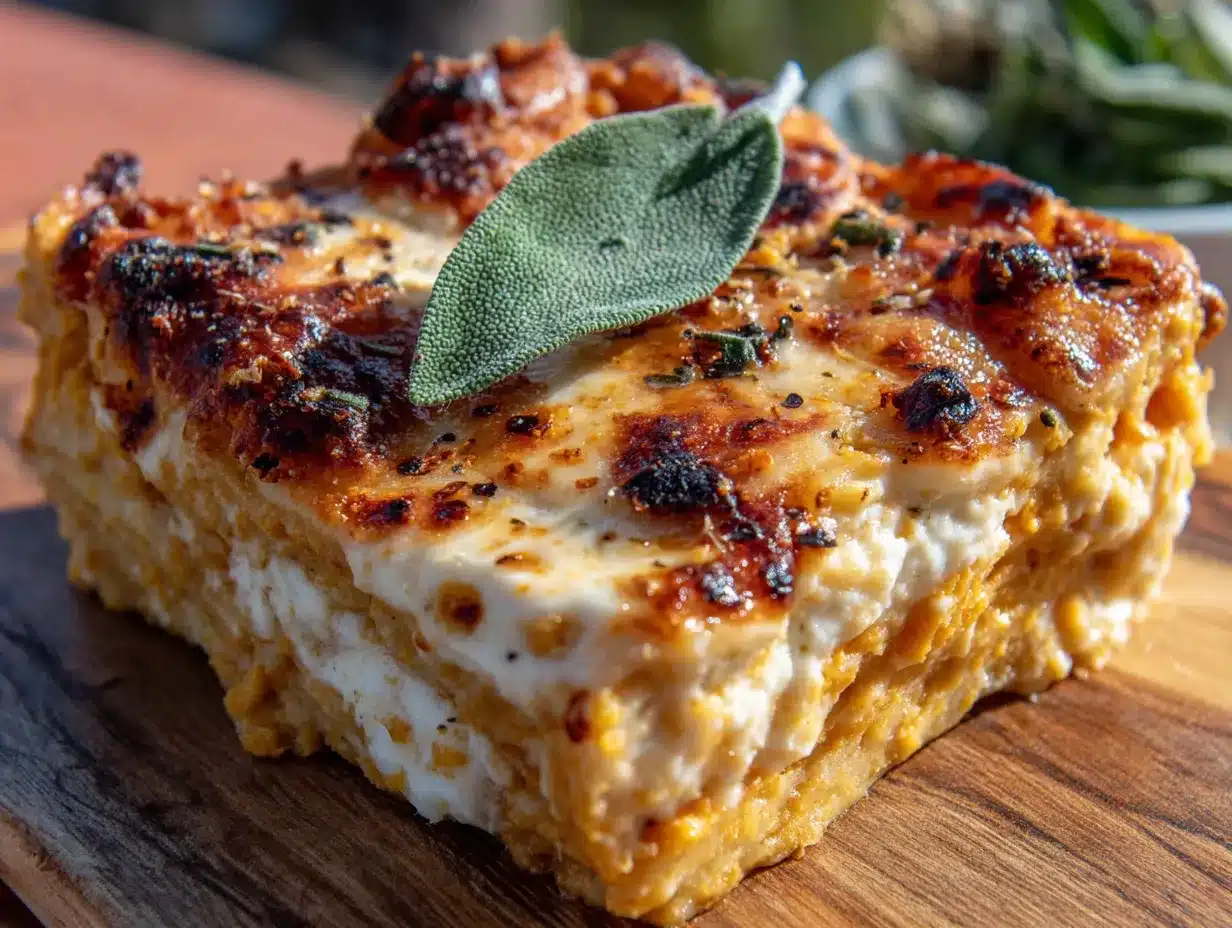
- Garnish and serve. Sprinkle with fresh parsley if using. Cut into wedges and serve warm. The top should be crispy and golden, the inside creamy and tender, with little pockets of sweet squash throughout.
Cooking Tips & Techniques
After making this easy one-pan butternut squash lasagna more times than I care to count, I’ve picked up a few tricks that make the process smoother and the results more consistent. Here are the ones that matter most:
Don’t skip browning the squash. I know it’s tempting to just dump everything in and let it cook, but that initial sauté is where the flavor develops. The caramelized edges add a depth that you just can’t get from boiling. Trust me, those extra five minutes are worth it.
Watch your liquid ratio. The amount of broth you need depends on your skillet size and how much the noodles absorb. If the mixture looks dry after the first 10 minutes of simmering, add another ¼ cup of broth. If it looks soupy, leave the lid off for the last few minutes of simmering. (I once added too much broth and ended up with lasagna soup—still delicious, but not very photogenic.)
Break noodles strategically. No-boil lasagna noodles are perfect for this recipe because they absorb liquid as they cook. Break them into pieces that fit your skillet in a single layer. I usually break each sheet into thirds or quarters, depending on the shape of my pan.
Let it rest. This is the most important tip I can give you. If you cut into this lasagna right out of the oven, it will fall apart. The resting time lets the sauce thicken and the noodles set. Five minutes is the minimum, ten is better. Use that time to set the table or make a quick salad.
Use a thermometer for the cheese. If you’re using the broiler at the end, keep an eye on it. Cheese can go from perfectly golden to burnt in about 30 seconds. I usually set a timer for 2 minutes and check it every 30 seconds after that.
Variations & Adaptations
One of the best things about this recipe is how flexible it is. Here are a few ways to change it up based on what you have on hand or what you’re craving:
Make it vegetarian (it already is!) or add protein. This version is completely vegetarian as written. If you want to add meat, brown ½ pound of Italian sausage or ground turkey with the onions in step 3. The sausage adds a lovely fennel note that pairs beautifully with the squash.
Try different squash. Butternut is my favorite for its sweetness and smooth texture, but kabocha, honeynut, or even sugar pumpkin work well. Acorn squash is a bit more watery, so you might need to cook it a few minutes longer to evaporate the extra moisture.
Seasonal swaps. In the summer, swap the squash for zucchini and yellow squash (sauté them briefly first to remove excess moisture). In the spring, try asparagus and peas. The technique stays the same—just adjust the cooking time based on the vegetable’s density.
Add greens. Stir a handful of fresh spinach or kale into the skillet after the squash has cooked for a few minutes. The greens wilt down and add color and nutrients. I’ve done this many times and it never disappoints.
Spice it up. Add a pinch of red pepper flakes with the garlic for a little heat. Or try a dash of nutmeg in the ricotta mixture—it’s a classic pairing with squash and adds warmth.
Dairy-free version. I tested this with full-fat coconut milk instead of heavy cream and dairy-free mozzarella shreds. The coconut flavor is subtle but noticeable, so I’d recommend it only if you enjoy that flavor profile. Cashew cream makes a better substitute for the ricotta if you have the time to make it.
Serving & Storage Suggestions
This easy one-pan butternut squash lasagna is hearty enough to stand on its own, but a few simple sides can turn it into a complete meal.
Serving temperature: Serve warm, not piping hot. That 5-10 minute rest brings it to the perfect temperature where the cheese is still melty but the lasagna holds its shape.
What to serve with it: A simple green salad with a lemony vinaigrette cuts through the richness beautifully. Crusty bread is always welcome for sopping up any extra sauce. If you want to keep it seasonal, try roasted Brussels sprouts or a quick apple and fennel slaw.
Wine pairing: A crisp Sauvignon Blanc or a light Pinot Noir works well. The acidity cuts through the creaminess, and the fruit notes complement the squash’s sweetness. For a non-alcoholic option, sparkling apple cider is a lovely fall pairing.
Storage: Leftovers keep well in the refrigerator for up to 4 days. Store in an airtight container. The flavors actually meld and improve overnight, so this is one of those rare dishes that tastes even better the next day.
Reheating: The best way to reheat is in a 350°F oven for 10-15 minutes, or until warmed through. The microwave works in a pinch, but the noodles can get a bit soft. If using the microwave, cover with a damp paper towel to retain moisture.
Freezing: This lasagna freezes beautifully. Let it cool completely, then wrap the entire skillet (or individual portions) tightly in plastic wrap and foil. Freeze for up to 3 months. Thaw overnight in the refrigerator before reheating. I’ve pulled this out on busy nights and it’s been a lifesaver.
Nutritional Information & Benefits
This easy one-pan butternut squash lasagna is comfort food that happens to have some surprising health benefits. Here’s a rough estimate per serving (based on 6 servings):
| Nutrient | Amount per Serving |
|---|---|
| Calories | ~420 |
| Protein | 18g |
| Carbohydrates | 38g |
| Fat | 24g |
| Fiber | 5g |
| Sugar | 8g |
| Sodium | 580mg |
Health benefits: Butternut squash is packed with vitamin A (great for eye health and immunity), vitamin C, and fiber. The squash also provides potassium and magnesium. The ricotta and mozzarella add calcium and protein, making this a well-rounded meal. Using vegetable broth instead of meat-based broth keeps it lighter, and the olive oil provides heart-healthy monounsaturated fats.
Dietary considerations: This recipe is vegetarian. To make it gluten-free, use certified gluten-free lasagna noodles. For a lower-carb option, try using thinly sliced zucchini or eggplant instead of noodles. The dish contains dairy, so it’s not suitable for vegans or those with dairy allergies without modifications.
Personal perspective: I love that this recipe feels indulgent but uses whole food ingredients. It’s the kind of meal that satisfies a comfort food craving without leaving you feeling heavy. The squash provides natural sweetness, so you don’t need much added sugar or heavy seasoning. It’s comfort food I can feel good about serving my family.
Conclusion
This easy one-pan butternut squash lasagna has become a staple in my kitchen for good reason. It’s the recipe I turn to when I want something that feels special but doesn’t require a ton of effort. The sweet, caramelized squash, the creamy ricotta, the melted cheese—it all comes together in one skillet with minimal cleanup. Honestly, it’s the kind of recipe that makes you feel like a kitchen pro even on your laziest nights.
I’d love for you to try this and make it your own. Maybe you’ll add a little extra garlic, swap in a different cheese, or throw in some spinach. That’s the beauty of a recipe like this—it’s forgiving and flexible. If you make it, let me know how it turns out. Drop a comment below, share a photo, or tell me about your own variations. And if you’re looking for more easy weeknight dinners, you might also enjoy my creamy Tuscan chicken skillet or this one-pot mushroom risotto.
Happy cooking, and here’s to more meals that feel like a hug in a bowl.
Frequently Asked Questions
Can I use regular lasagna noodles instead of no-boil?
Yes, but you’ll need to boil them first according to package directions until al dente. Drain them well and proceed with the recipe as written. Keep in mind that this adds an extra pot and a few more minutes, so it’s slightly less “one-pan” but still delicious.
How do I know when the lasagna is done?
The noodles should be tender when pierced with a fork, the cheese should be melted and golden, and the sauce should be mostly absorbed. If the top is browning too quickly but the noodles aren’t done, cover with foil for the last 5 minutes of baking.
Can I make this ahead of time?
Absolutely. You can assemble the entire lasagna (up to step 10) and refrigerate it covered for up to 24 hours. When ready to bake, add about 10 minutes to the baking time since you’re starting from cold. You can also bake it fully and reheat as needed.
What if I don’t have an oven-safe skillet?
No problem. Cook the squash and aromatics in any skillet, then transfer the mixture to a 9×13 baking dish. Layer the noodles and cheese as directed, then bake. It’s one extra transfer, but the result is the same.
Can I freeze individual portions?
Yes! This is perfect for meal prep. Let the lasagna cool completely, then cut it into portions. Wrap each portion tightly in plastic wrap and then foil. Freeze for up to 3 months. To reheat, thaw overnight in the fridge and warm in a 350°F oven or microwave.
Pin This Recipe!
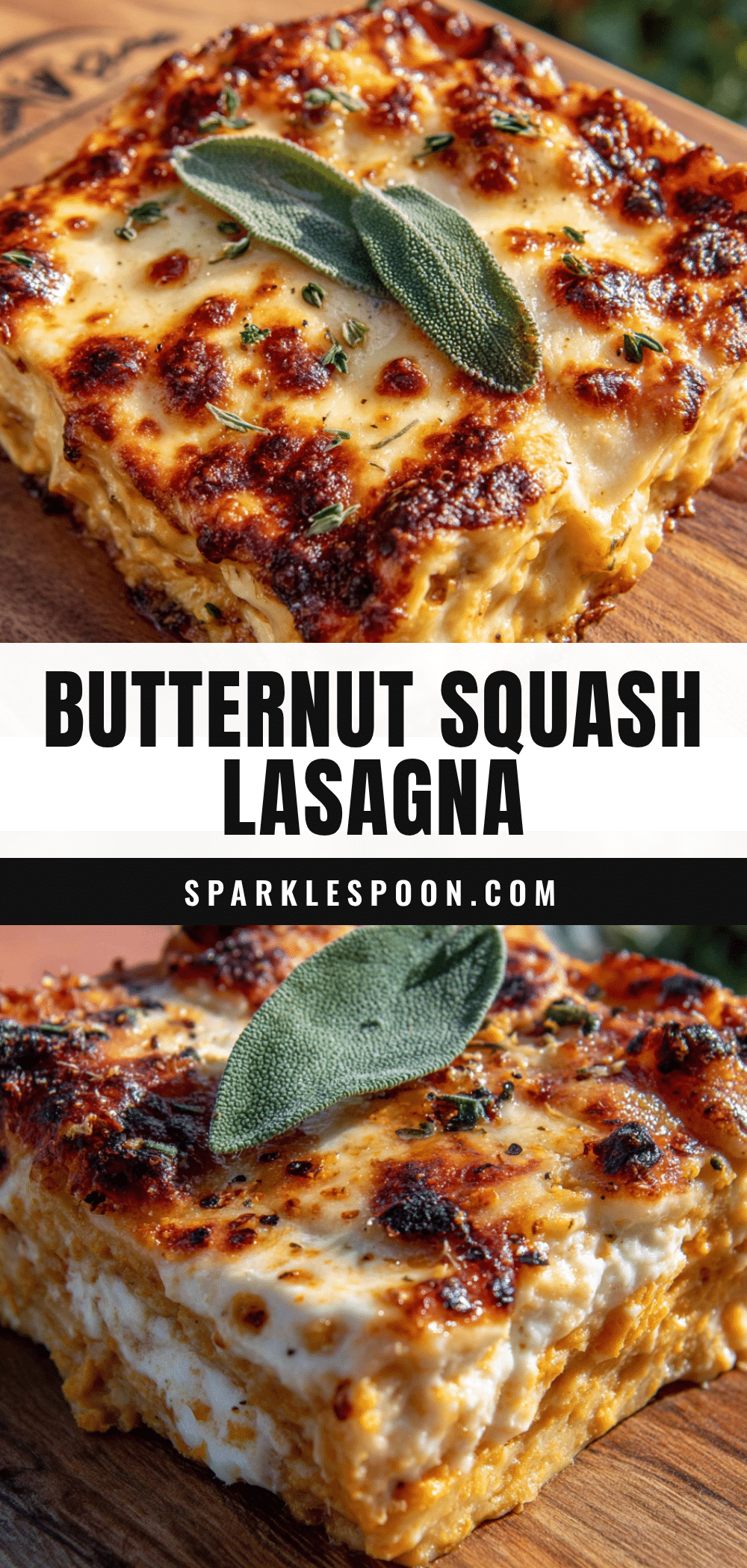
Easy One-Pan Butternut Squash Lasagna: Best Fall Comfort Food
This easy one-pan butternut squash lasagna is a quick and delicious fall comfort food made in a single skillet. No boiling noodles, no separate dishes, and minimal cleanup—perfect for busy weeknights.
- Prep Time: 15 minutes
- Cook Time: 30 minutes
- Total Time: 45 minutes
- Yield: 6 servings 1x
- Category: Main Course
- Cuisine: Italian-American
Ingredients
- 1 medium butternut squash (about 2 pounds), peeled, seeded, and cut into ½-inch cubes
- 2 tablespoons olive oil
- 1 medium yellow onion, diced
- 4 cloves garlic, minced
- 1 teaspoon dried sage
- ½ teaspoon dried thyme
- Salt and black pepper to taste
- 2 cups vegetable broth (low-sodium)
- ½ cup heavy cream
- 9 no-boil lasagna noodles, broken into halves or thirds
- 1 cup ricotta cheese (whole milk or part-skim)
- 1 large egg, lightly beaten
- ½ cup freshly grated Parmesan cheese (divided)
- 2 cups shredded low-moisture part-skim mozzarella cheese
- 2 tablespoons fresh parsley, chopped (for garnish)
Instructions
- Preheat your oven to 375°F (190°C). Position the rack in the middle.
- Prep the squash: Peel the butternut squash using a vegetable peeler. Cut off the top and bottom, slice in half lengthwise, scoop out seeds, and cut into ½-inch cubes (about 4 cups).
- Sauté the aromatics: Heat olive oil in a large oven-safe skillet over medium heat. Add diced onion and cook for 3-4 minutes until translucent. Add minced garlic, dried sage, and dried thyme; cook for 30 seconds until fragrant.
- Cook the squash: Add cubed butternut squash to the skillet. Season with ½ teaspoon salt and ¼ teaspoon black pepper. Cook for 5-7 minutes, stirring occasionally, until squash starts to soften and get lightly browned on edges.
- Add the liquid: Pour in vegetable broth and heavy cream. Stir, scraping up any browned bits from the bottom. Bring to a gentle simmer. Taste and adjust seasoning.
- Layer the noodles: Break lasagna noodles into pieces that fit your skillet. Lay half of the noodle pieces over the squash mixture, pressing them down gently so they are submerged.
- Add the ricotta layer: In a small bowl, mix ricotta cheese, beaten egg, and ¼ cup grated Parmesan. Drop spoonfuls over the noodle layer and gently spread.
- Second noodle layer: Arrange remaining noodle pieces over the ricotta layer. Press down gently. Sprinkle with ½ cup shredded mozzarella.
- Cover and simmer: Put the lid on the skillet (or cover tightly with foil). Reduce heat to medium-low and simmer for 15 minutes.
- Add the final cheese layer: Remove lid. Sprinkle remaining mozzarella and Parmesan evenly over the top.
- Bake until golden: Transfer skillet to preheated oven. Bake for 15-18 minutes until cheese is melted, bubbly, and golden. For extra browning, broil for the last 2 minutes, watching closely.
- Rest before serving: Remove from oven and let rest for 5-10 minutes. This allows the lasagna to set.
- Garnish and serve: Sprinkle with fresh parsley if using. Cut into wedges and serve warm.
Notes
Don’t skip browning the squash—it develops flavor. Watch the liquid ratio; add more broth if dry, leave lid off if soupy. Let the lasagna rest before serving for clean slices. For extra browning, broil the last 2 minutes but watch closely.
Nutrition
- Serving Size: 1 wedge (1/6 of reci
- Calories: 420
- Sugar: 8
- Sodium: 580
- Fat: 24
- Saturated Fat: 12
- Carbohydrates: 38
- Fiber: 5
- Protein: 18
Keywords: butternut squash lasagna, one-pan lasagna, easy lasagna, fall comfort food, vegetarian lasagna, weeknight dinner