Love this? Save it for later!
Share the inspiration with your friends
Introduction
I was unpacking groceries last Thursday when the faint waft of black pepper mixed with sharp cheese suddenly hit me — and just like that, I was eight years old again, sitting cross-legged on the cool kitchen floor of a tiny Roman apartment. The cracked ceramic bowl in front of me was smeared with a creamy, pepper-speckled sauce that my neighbor, Signora Lucia, had tossed together with surprising simplicity. It wasn’t just the taste that pulled me back; it was the way the kitchen smelled — a mix of toasted peppercorns and salty pecorino that felt like a warm, quiet hug in the middle of a bustling city.
Honestly, I forgot to grab the pasta water the first time I tried to recreate this dish, and the sauce clumped into a sad, grainy mess — a total rookie move. But I kept at it, chasing that elusive silky texture that made the original so unforgettable. Maybe you’ve been there, trying to bottle up a memory that tastes like home but never quite gets there.
This creamy cacio e pepe pasta recipe isn’t just about noodles and cheese; it’s about that fragile moment of comfort and simplicity that Signora Lucia shared with me, one bowl at a time. It’s a dish I return to when I want to slow down and feel connected to something timeless — even if the kitchen’s a little messy and I’m missing a cracked bowl or two.
Why You’ll Love This Recipe
After countless trials in my kitchen and a few tips from Roman friends, this creamy cacio e pepe pasta recipe has become my go-to comfort food. It’s honest, straightforward, and downright delicious.
- Quick & Easy: Ready in under 20 minutes, perfect for those busy weeknights or when you crave something soul-soothing fast.
- Simple Ingredients: Uses pantry staples like Pecorino Romano, black pepper, and spaghetti — no complicated grocery runs needed.
- Perfect for Cozy Dinners: Whether it’s a quiet night in or a casual meal with friends, this is the kind of dish that brings everyone to the table.
- Crowd-Pleaser: Even picky eaters tend to ask for seconds — the creamy, peppery sauce is that irresistible.
- Unbelievably Delicious: The silky sauce with a punch of black pepper creates a flavor and texture combo that’s pure Roman comfort.
What sets this recipe apart? The secret is in the technique — slowly incorporating the starchy pasta water to coax out a creamy, almost velvety sauce without cream. And the sharp pecorino Romano is freshly grated, lending a tangy depth that you just don’t get from pre-grated cheese. Honestly, it’s the difference between “just pasta” and something that makes you close your eyes and savor every bite.
This isn’t your average cacio e pepe — it’s the one I keep coming back to because it’s simple, satisfying, and holds a little bit of that Roman kitchen magic.
What Ingredients You Will Need
This recipe uses simple, wholesome ingredients to deliver bold flavor and satisfying texture without the fuss. Most are pantry staples, and a few tips will help you choose the best versions for authentic taste.
- Spaghetti: 12 oz (340 g) of dried spaghetti — I prefer De Cecco brand for its perfect bite and thickness.
- Pecorino Romano cheese: 1 ½ cups (about 150 g), finely grated — fresh is key here for creaminess and flavor.
- Black peppercorns: 2 teaspoons, freshly cracked — don’t skimp on freshness; it makes all the difference.
- Salt: For pasta water — use coarse sea salt if possible.
- Olive oil (optional): 1 tablespoon extra virgin olive oil — some like to add a touch for a silkier finish, but traditionally it’s just cheese and pepper.
Substitution notes: If you can’t find Pecorino Romano, a good quality Parmesan can work, but it won’t have the same tang. For gluten-free, swap spaghetti with gluten-free pasta, but the texture will differ slightly.
Freshly cracked black pepper is really important — I use a small pepper mill and give it a good twist each time I make this dish. If you want to experiment, you can sometimes find mixed peppercorn blends, but stick close to black pepper for that authentic Roman kick.
Equipment Needed
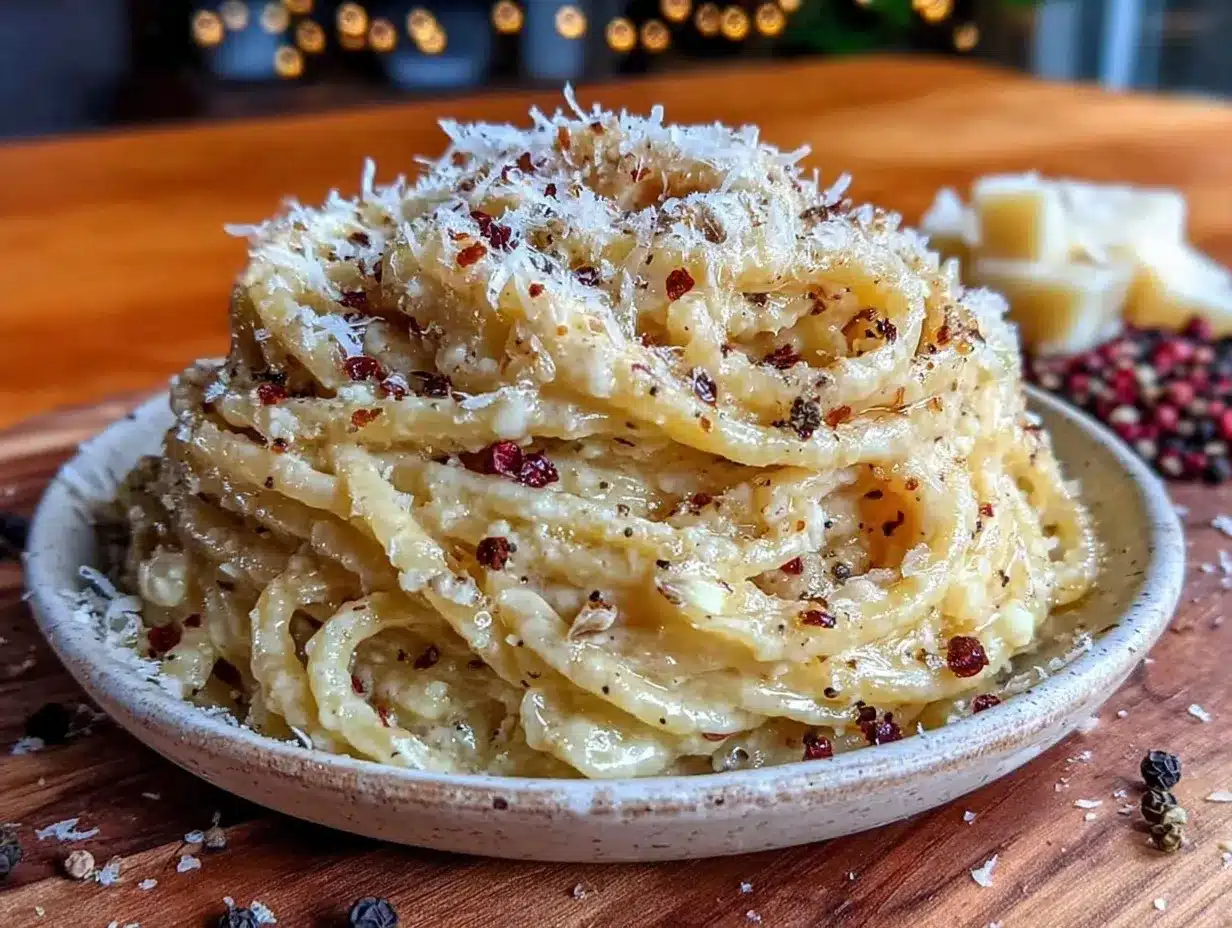
- Large pot: For boiling pasta — a 6-quart (5.7 L) pot works well to give the pasta room to cook evenly.
- Large skillet or sauté pan: To mix the pasta with cheese and pepper — a wide pan helps with tossing and emulsifying the sauce.
- Cheese grater: A fine microplane grater is best for getting fluffy, light cheese that melts easily.
- Pepper mill or mortar and pestle: For freshly cracked black pepper — I’ve tried both, but a pepper mill saves time and gives consistent results.
- Measuring cups and spoons: For accurate amounts — precision helps with the delicate balance of cheese and pepper.
If you don’t have a wide sauté pan, a large deep skillet will do. When grating cheese, avoid pre-shredded bags — they often contain anti-caking agents that prevent smooth melting. I once used pre-grated cheese by accident, and the sauce never came together properly — lesson learned!
Preparation Method
- Boil the pasta water: Fill your large pot with water, add 1 tablespoon of salt, and bring it to a rolling boil. This usually takes about 7-10 minutes. The salted water seasons the pasta from within, so don’t skip this step.
- Cook the spaghetti: Add 12 oz (340 g) of spaghetti and cook until just shy of al dente — about 8-9 minutes (check package instructions). You want the pasta to have a slight bite since it will keep cooking when mixed with the sauce.
- Reserve pasta water: Before draining, scoop out about 1 ½ cups (350 ml) of the starchy pasta water and set it aside. This is the magic ingredient for the sauce’s creaminess.
- Drain the pasta: Drain the spaghetti quickly but don’t rinse it — the starch helps the sauce cling to the noodles.
- Toast the black pepper: While pasta cooks, heat a large skillet over medium heat. Add 2 teaspoons of freshly cracked black pepper and toast for 1 minute, stirring constantly until fragrant. This step wakes up the pepper’s oils and flavor.
- Add pasta and pasta water: Transfer the drained spaghetti to the skillet, then pour in about ½ cup (120 ml) of reserved pasta water. Toss vigorously to coat the pasta and begin creating the sauce. The water should start to look creamy and glossy.
- Incorporate the cheese: Remove the pan from heat. Sprinkle 1 ½ cups (150 g) of finely grated Pecorino Romano over the pasta. Quickly toss and stir to combine, adding more pasta water a little at a time to loosen the sauce if it feels thick or clumpy. The goal is a smooth, silky coating on every strand.
- Optional olive oil: If you want a touch more silkiness, drizzle 1 tablespoon of extra virgin olive oil and toss again.
- Plate and serve immediately: Cacio e pepe waits for no one! Serve hot, garnished with an extra sprinkle of black pepper and Pecorino if desired.
Preparation notes: If the sauce clumps or feels grainy, add a splash more pasta water and stir vigorously off the heat — patience is key. Also, avoid adding cheese while the pan is on the heat to prevent clumping. I once learned this the hard way when my sauce turned into a cheesy mess (don’t ask!).
Cooking Tips & Techniques
Getting cacio e pepe just right can be a little tricky, but these tips make a big difference.
- Freshly cracked black pepper is essential: Pre-ground pepper lacks the bold aroma and flavor needed for this dish.
- Use finely grated Pecorino Romano: The finer, the better — it melts smoothly and creates a creamy sauce without clumps.
- Reserve enough pasta water: The starchy water is your emulsifier. Too little, and the sauce won’t come together; too much, and it gets watery.
- Toss off heat: After adding cheese, remove from heat to avoid scrambling the cheese and ruining the sauce texture.
- Work quickly: Cacio e pepe sauce thickens fast. Toss vigorously and serve immediately to enjoy that velvety coating.
- Don’t overcook the pasta: Slightly under al dente is best to prevent mushiness when mixing with the sauce.
One time, I tried making this for a friend’s dinner party and got distracted — the pasta went overcooked, and the sauce was too loose. Lesson learned: stay focused and trust the timing. Multitasking is fun until the pasta turns into mush!
Variations & Adaptations
Cacio e pepe is wonderfully simple, but there are ways to add your personal touch or accommodate different preferences.
- Gluten-free option: Swap spaghetti for gluten-free pasta varieties like brown rice or chickpea pasta. Texture changes slightly but flavor remains.
- Vegetable boost: Add sautéed greens like spinach or kale for a pop of color and nutrition.
- Spicy twist: Toss in a pinch of red pepper flakes with the black pepper for a subtle heat kick.
- Vegan adaptation: Use nutritional yeast instead of cheese and a plant-based milk to mimic creaminess, though it won’t be quite the same.
- Different pasta shapes: Try tonnarelli or bucatini for a more traditional Roman experience if you find them at your local market.
I once tried adding crispy pancetta for a smoky edge, which surprised me by adding a lovely texture contrast without overpowering the classic sauce. It’s a fun twist if you aren’t aiming for strict authenticity.
Serving & Storage Suggestions
Cacio e pepe is best served hot and fresh — the sauce thickens as it cools, losing that silky charm.
- Serving temperature: Warm, right off the stove, to enjoy the creamy texture fully.
- Presentation: A simple white plate with a generous sprinkle of black pepper and Pecorino looks inviting and rustic.
- Pairings: Serve alongside a crisp green salad or roasted vegetables. A glass of dry white wine or sparkling water complements the dish nicely.
- Storage: Leftovers can be refrigerated in an airtight container for up to 2 days.
- Reheating: Warm gently in a skillet over low heat, adding a splash of water or olive oil to revive the sauce.
The flavors develop a bit after resting but the texture becomes less creamy, so reheating carefully is key. I usually make just enough to avoid leftovers, but if you do have some, a quick reheat with a little extra pasta water works wonders.
Nutritional Information & Benefits
This creamy cacio e pepe pasta serves about 4 people. Per serving, it has approximately:
| Calories | 450 |
|---|---|
| Protein | 18 g |
| Carbohydrates | 60 g |
| Fat | 12 g |
| Sodium | 700 mg |
Pecorino Romano is rich in calcium and protein, while black pepper may aid digestion. This dish is vegetarian but contains gluten and dairy, so it’s not suitable for those with allergies. From my wellness perspective, it’s a satisfying treat that feels indulgent but is surprisingly simple and clean in ingredients — a nice balance for occasional comfort food.
Conclusion
Creamy cacio e pepe pasta is a humble dish that has quietly stayed with me through years and kitchens, each time reminding me of those quiet Roman afternoons and a cracked bowl full of warmth. Its simplicity is what makes it so special — no frills, just honest ingredients and a little technique that turns them into magic.
I encourage you to try this recipe, play with the pepper intensity or cheese ratios to find your perfect balance. It’s a recipe that’s as flexible as it is comforting, ready to become part of your kitchen stories.
Once you’ve made it, please share your experience or any twists you’ve tried — I love hearing how this classic Roman comfort food finds a place in your home!
Remember, sometimes the simplest dishes hold the richest memories.
FAQs about Creamy Cacio e Pepe Pasta
- Q: Can I use Parmesan instead of Pecorino Romano?
A: Yes, Parmesan works but the flavor will be milder and less tangy than authentic Pecorino Romano. - Q: How do I prevent the cheese from clumping?
A: Remove the pan from heat before adding cheese and add pasta water gradually while tossing vigorously. - Q: Is this recipe suitable for vegans?
A: Traditional cacio e pepe uses cheese, but you can try nutritional yeast and plant milk as alternatives for a vegan version. - Q: What pasta shape is best for cacio e pepe?
A: Spaghetti or tonnarelli are classic choices, but you can use any long pasta that holds sauce well. - Q: Can I make this ahead of time?
A: It’s best fresh, but leftovers can be reheated gently with added water or oil to restore creaminess.
If you enjoy the comforting simplicity of this dish, you might also appreciate the way crispy garlic chicken delivers bold flavor with minimal fuss. And for another pasta night, the rich textures of homemade gnocchi with butter and sage sauce could be a perfect match. When you want a quick weeknight meal that still feels special, this creamy cacio e pepe pasta truly shines.
Pin This Recipe!
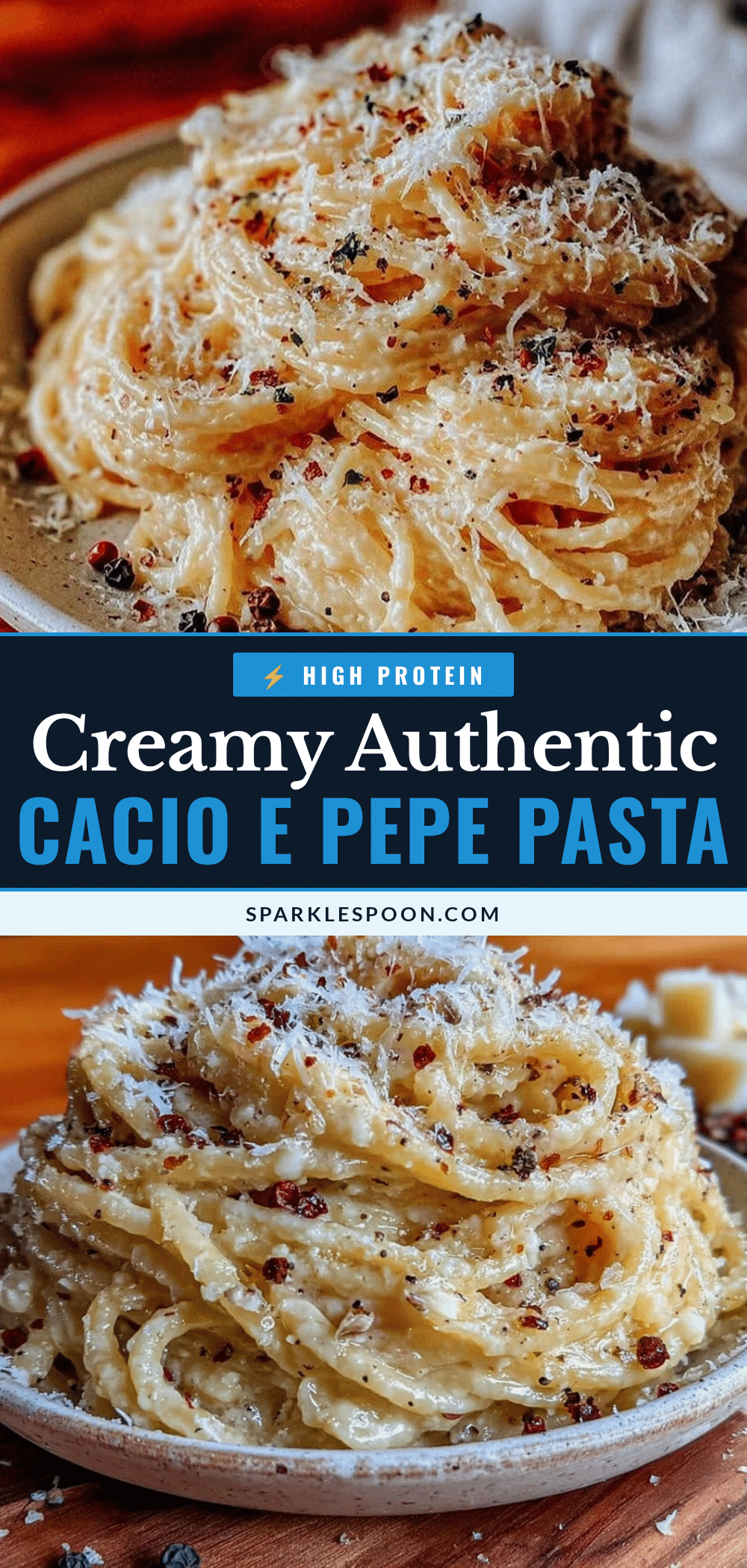
Creamy Cacio e Pepe Pasta Recipe Easy Authentic Roman Comfort Food
A simple and authentic Roman pasta dish featuring a creamy, pepper-speckled sauce made with Pecorino Romano and freshly cracked black pepper. Ready in under 20 minutes, perfect for cozy dinners and quick weeknight meals.
- Prep Time: 10 minutes
- Cook Time: 9 minutes
- Total Time: 19 minutes
- Yield: 4 servings 1x
- Category: Main Course
- Cuisine: Italian
Ingredients
- 12 oz (340 g) dried spaghetti
- 1 ½ cups (about 150 g) finely grated Pecorino Romano cheese
- 2 teaspoons freshly cracked black peppercorns
- Salt for pasta water (preferably coarse sea salt)
- 1 tablespoon extra virgin olive oil (optional)
Instructions
- Fill a large pot with water, add 1 tablespoon of salt, and bring to a rolling boil (about 7-10 minutes).
- Add 12 oz (340 g) spaghetti and cook until just shy of al dente, about 8-9 minutes.
- Before draining, reserve about 1 ½ cups (350 ml) of starchy pasta water and set aside.
- Drain the spaghetti quickly without rinsing.
- While pasta cooks, heat a large skillet over medium heat. Add 2 teaspoons freshly cracked black pepper and toast for 1 minute, stirring constantly until fragrant.
- Transfer drained spaghetti to the skillet, pour in about ½ cup (120 ml) reserved pasta water, and toss vigorously to coat and begin creating the sauce.
- Remove pan from heat. Sprinkle 1 ½ cups (150 g) finely grated Pecorino Romano over pasta. Toss and stir quickly, adding more pasta water a little at a time to loosen sauce if needed, aiming for a smooth, silky coating.
- Optionally, drizzle 1 tablespoon extra virgin olive oil and toss again for a silkier finish.
- Serve immediately, garnished with extra black pepper and Pecorino if desired.
Notes
Use freshly cracked black pepper and finely grated Pecorino Romano for best results. Add cheese off heat to prevent clumping. Reserve enough pasta water to create a creamy sauce. Toss vigorously and serve immediately. Optionally add olive oil for silkiness. Avoid pre-grated cheese to prevent grainy sauce.
Nutrition
- Serving Size: 1 serving (about 1/4
- Calories: 450
- Sodium: 700
- Fat: 12
- Carbohydrates: 60
- Protein: 18
Keywords: cacio e pepe, creamy pasta, Roman pasta, Pecorino Romano, black pepper pasta, easy pasta recipe, comfort food, authentic Italian