Love this? Save it for later!
Share the inspiration with your friends
“I wasn’t expecting much when I grabbed my gym bag and stopped at that little health food stand on a rainy Thursday afternoon,” I remember telling a friend once. Honestly, I was just looking for a quick bite between workouts, something I could eat without feeling weighed down. But there, tucked between kale salads and protein bars, was a flyer boasting “Healthy Volume Eating: High-Protein, Low-Calorie Large Portions.” The concept intrigued me—finally, a way to eat big without the guilt or sluggishness. You know that feeling when you want to enjoy a hearty meal but worry about the calories stacking up? Yeah, been there.
So, naturally, I had to try it out. I scribbled down a few ideas on the back of a napkin (classic, right?), and after a couple of messy kitchen experiments—spilling chickpeas everywhere, forgetting to defrost chicken in time—I landed on a handful of recipes that hit the spot every single time. The kind of meals that fill your plate and your belly but keep things light and protein-packed. Let me tell you, these dishes aren’t just about eating less; it’s about enjoying more, without the food coma or the calorie-counting stress.
Maybe you’ve been there, staring at your fridge, wondering how to get full without going overboard. Well, this collection is my answer to that very problem. These recipes have stuck with me because they work—big portions, satisfying flavors, and high protein to keep you fueled. So grab your favorite bowl, and let’s get cooking healthy volume eating meals that won’t leave you hungry or heavy.
Why You’ll Love This Recipe
After testing these healthy volume eating recipes over countless evenings (and a few rushed mornings), I can honestly say they’re some of the best ways to enjoy large portions without piling on calories. Here’s why these high-protein, low-calorie meals are worth making your go-to:
- Quick & Easy: Each meal comes together in under 30 minutes, perfect for those busy days when you want something nourishing but fuss-free.
- Simple Ingredients: No need for exotic groceries—these recipes mostly use pantry staples and fresh produce you can find anywhere.
- Perfect for Any Occasion: Whether it’s a weekday dinner, a post-workout refuel, or even a casual lunch, these dishes fit right in.
- Crowd-Pleaser: I’ve had family, friends, and even picky eaters rave about these meals, and they keep asking for seconds (and thirds).
- Unbelievably Delicious: The flavor combos and textures deliver comfort without the heaviness—think hearty, fresh, and satisfying.
What sets these recipes apart is the focus on volume eating combined with high protein. Instead of tiny portions that leave you hungry, these meals use ingredients like fiber-rich veggies and lean proteins to fill your plate and your appetite. Plus, some techniques like roasting vegetables to bring out their natural sweetness or blending cottage cheese for a creamy texture add that little something extra. You’re not just eating healthy—you’re eating smart and tasty, too.
What Ingredients You Will Need
This recipe collection uses straightforward, wholesome ingredients that come together to create large, satisfying meals without unnecessary calories. Most are pantry staples or fresh basics, and you can easily swap in alternatives if needed.
For the Protein Base
- Chicken breast, skinless: lean and easy to cook (I like Perdue for consistent quality)
- Canned chickpeas, drained and rinsed: great for texture and fiber
- Egg whites: pure protein and super versatile
- Low-fat cottage cheese: creamy and packed with protein (look for small-curd varieties for best mouthfeel)
- Firm tofu: perfect plant-based protein that soaks up flavors well
For the Vegetables & Volume
- Spinach, fresh or frozen: adds volume and nutrients without calories
- Zucchini: low-calorie and perfect for shredding or spiralizing
- Bell peppers: colorful, crunchy, and vitamin-rich
- Cauliflower: great for creating bulk and texture, especially when roasted
- Cherry tomatoes: burst of sweetness that perks up any dish
For Flavor & Seasoning
- Garlic cloves, minced: essential for depth in any savory dish
- Fresh herbs (parsley, basil, cilantro): bright and fresh notes
- Spices (paprika, cumin, black pepper): add warmth and complexity
- Lemon juice: a splash of acidity to balance flavors
- Low-sodium soy sauce or tamari: for umami without excess salt
Optional Add-Ins & Substitutions
- Use almond flour or oat flour instead of breadcrumbs for gluten-free options
- Swap Greek yogurt for dairy-free coconut yogurt if needed
- Replace chicken with turkey breast or lean beef depending on preference
- In summer, fresh berries or sliced avocado can add variety to side salads
Equipment Needed
Preparing these healthy volume eating meals doesn’t require anything fancy, but having the right tools can make your life easier.
- Non-stick skillet or sauté pan: ideal for cooking chicken, tofu, or sautéing veggies without too much oil. I’ve had a trusty T-fal pan for years that still works like a charm.
- Large mixing bowls: for tossing salads or combining ingredients. You can never have too many!
- Sharp chef’s knife: essential for chopping vegetables quickly and safely. A good-quality knife like a Victorinox makes a world of difference.
- Baking sheet: perfect for roasting cauliflower or bell peppers to deepen flavor.
- Blender or food processor: handy for blending cottage cheese or making dressings, but you can also use a fork for mixing if pressed for time.
- Measuring cups and spoons: for precise seasoning and portion control.
If you don’t have a food processor, no worries—you can finely chop by hand or mash with a fork. And if you’re budget-conscious, consider buying a good knife and pan first; they’ll last for years and save you frustration in the kitchen.
Preparation Method
- Prep the protein: If using chicken breast (about 1 pound / 450 g), trim any fat and cut into bite-sized pieces. Season lightly with salt, pepper, 1 teaspoon paprika, and a splash of lemon juice. Let it sit while you prep the veggies (about 5 minutes).
- Chop the vegetables: Dice 1 large zucchini, halve 1 cup (150 g) cherry tomatoes, and roughly chop 2 cups (150 g) fresh spinach. For cauliflower, break into small florets (about 2 cups / 200 g). This should take 10 minutes.
- Cook the chicken: Heat 1 tablespoon olive oil in a non-stick pan over medium heat. Add chicken pieces and cook for 6-8 minutes until golden brown and cooked through (internal temp 165°F / 74°C). Remove from pan and set aside.
- Sauté the vegetables: In the same pan, add minced garlic (2 cloves) and sauté for 30 seconds until fragrant. Toss in zucchini and cauliflower florets, cooking for 5-7 minutes until tender but still slightly crisp. Add spinach and cherry tomatoes last, cooking another 2 minutes until spinach wilts.
- Combine and season: Return chicken to pan. Stir in fresh herbs (2 tablespoons chopped parsley or basil), and season with salt, pepper, and a splash of low-sodium soy sauce (1 tablespoon). Cook together for 2 minutes to meld flavors.
- Prepare cottage cheese blend (optional): In a blender, mix 1 cup (225 g) low-fat cottage cheese with a teaspoon of lemon juice and a pinch of black pepper until smooth. This adds creaminess without extra calories.
- Serve: Plate the chicken and vegetable mixture in large bowls. Dollop with the cottage cheese blend or serve on the side for dipping.
Tip: If your chicken starts drying out, lower the heat and cover the pan briefly to keep it juicy. Also, don’t rush the vegetable sauté—letting them get a little color brings out sweetness and texture. And hey, if you forget to preheat the pan (guilty!), just give it a couple extra minutes; it still works out!
Cooking Tips & Techniques
When cooking healthy volume eating meals that are high-protein and low-calorie, a few tricks can really make a difference in flavor and texture.
- Use high heat for searing protein: This locks in juices and creates a nice crust without adding fat. Just keep an eye so it doesn’t burn.
- Don’t overcrowd the pan: Cooking chicken or veggies in batches prevents steaming and helps them brown better.
- Season in layers: Add salt and spices at different stages—before cooking, during, and at the end—to build depth.
- Embrace fresh herbs: They brighten dishes and reduce the need for heavy sauces or salt.
- Watch your cooking times: Overcooked veggies lose volume and nutrients. Keep them slightly crisp for best texture.
- Multitask smartly: While chicken cooks, prep your veggies to save time and keep everything hot and fresh.
Funny enough, early on I used to overcook everything—resulting in sad, mushy meals. Took a few burnt attempts to get the timing right. Now, I rely on visual cues: a golden sear on chicken and a slight snap in veggies. Trust your senses!
Variations & Adaptations
One of the best things about these healthy volume eating recipes is how flexible they are. Here are a few ways to switch things up based on your preferences or what’s in your kitchen:
- Plant-Based Variation: Swap chicken for extra-firm tofu or tempeh. Press and marinate tofu before cooking for added flavor. You can also add cooked lentils for more protein.
- Seasonal Switch: In winter, use roasted Brussels sprouts or butternut squash instead of zucchini and cauliflower. They add warmth and cozy flavors.
- Spicy Twist: Add a pinch of cayenne pepper or diced jalapeños to the sauté for a kick. Great if you like your meals with some heat.
- Lower-Carb Option: Skip the cherry tomatoes and add more leafy greens or mushrooms to keep volume but cut carbs.
- Dairy-Free: Use mashed avocado or a tahini drizzle instead of the cottage cheese blend for creaminess without dairy.
Personally, I love swapping in roasted sweet potatoes during fall—it adds natural sweetness and keeps the meal satisfying. Just watch the portion to keep calories in check!
Serving & Storage Suggestions
These large portion, high-protein meals are best enjoyed warm and fresh, but they also keep well for leftovers.
- Serving: Plate with extra fresh herbs and a wedge of lemon for brightness. Pair with a light side salad or steamed greens for a complete meal.
- Storage: Store leftovers in airtight containers in the fridge for up to 3 days. The flavors actually deepen overnight, which can be a nice surprise!
- Freezing: You can freeze the cooked protein and veggies, but cottage cheese blends don’t freeze well. Thaw overnight in the fridge before reheating.
- Reheating: Warm gently in a skillet over low heat or microwave with a splash of water to keep veggies from drying out.
Pro tip: If you’re prepping meals ahead, keep dressings or creamy toppings separate until serving to maintain texture and freshness.
Nutritional Information & Benefits
These healthy volume eating meals pack a powerful nutritional punch. A typical serving (about 1.5 cups / 350 g) contains approximately:
| Calories | 350-400 kcal |
|---|---|
| Protein | 35-40 g |
| Carbohydrates | 25-30 g (mostly from fiber-rich veggies) |
| Fat | 8-10 g (mostly healthy fats from olive oil) |
Key ingredients like chicken breast and cottage cheese provide lean protein essential for muscle repair and satiety. The fiber from vegetables aids digestion and keeps you feeling full longer. Plus, the low calorie count means you can enjoy a large portion without the guilt. These meals are naturally gluten-free (depending on substitutions) and can be adapted for dairy-free or vegetarian diets easily.
From a wellness perspective, I find these meals help me stay energized throughout the day without that post-meal slump. Plus, they support a balanced diet without feeling like a chore.
Conclusion
Trying out these healthy volume eating recipes has been a game-changer for me, especially when I want to enjoy big portions without tipping the calorie scale. They’re simple, satisfying, and packed with protein to fuel your day. I love how easy it is to make these meals my own by swapping in whatever veggies or proteins I have on hand. Honestly, I think you’ll find these recipes are just as flexible as they are filling.
Give them a go, customize the flavors to your liking, and don’t be shy about making mistakes in the kitchen — that’s where the fun begins! If you try any of these meals, I’d love to hear how you adapted them or what your favorite combo turned out to be. Drop a comment or share this post if it helped you enjoy healthy, large portion meals without the hassle.
Here’s to eating well, feeling great, and loving every bite along the way!
FAQs
What is volume eating and why is it useful?
Volume eating focuses on consuming large portions of low-calorie, high-fiber foods to feel full and satisfied without overeating calories. It’s useful for weight management and maintaining energy.
Can I make these recipes ahead of time?
Yes! Most of these meals store well in the fridge for up to 3 days. Just keep creamy toppings separate and reheat gently for best results.
Are these recipes suitable for vegetarians?
Many can be adapted by substituting chicken with tofu, tempeh, or legumes to keep them vegetarian and still high in protein.
How do I keep vegetables crisp when reheating?
Reheat on low heat with a splash of water or cover loosely in the microwave to prevent drying out and maintain texture.
What if I don’t like cottage cheese?
No worries! You can swap it for mashed avocado, Greek yogurt, or a tahini drizzle to add creaminess without dairy.
Pin This Recipe!
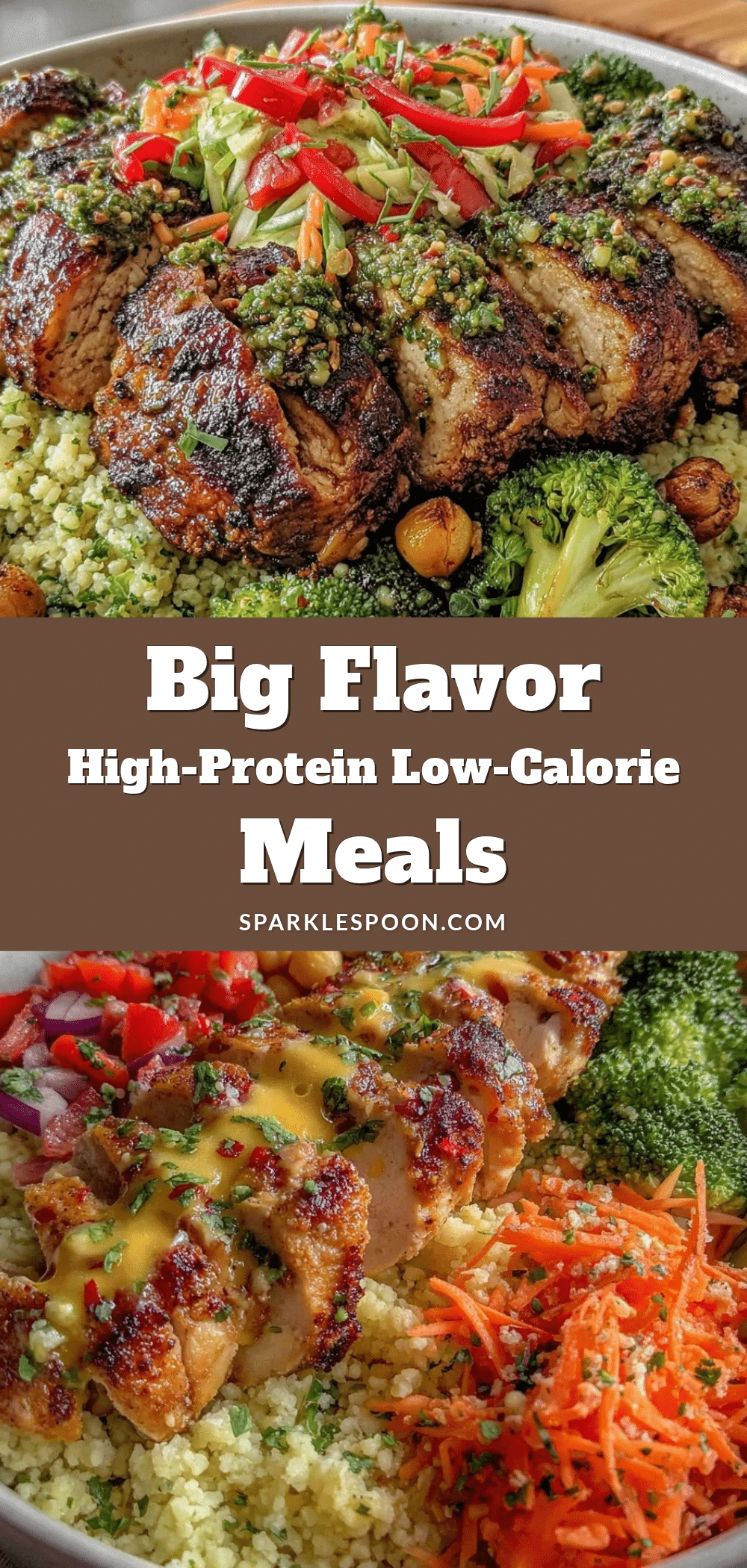
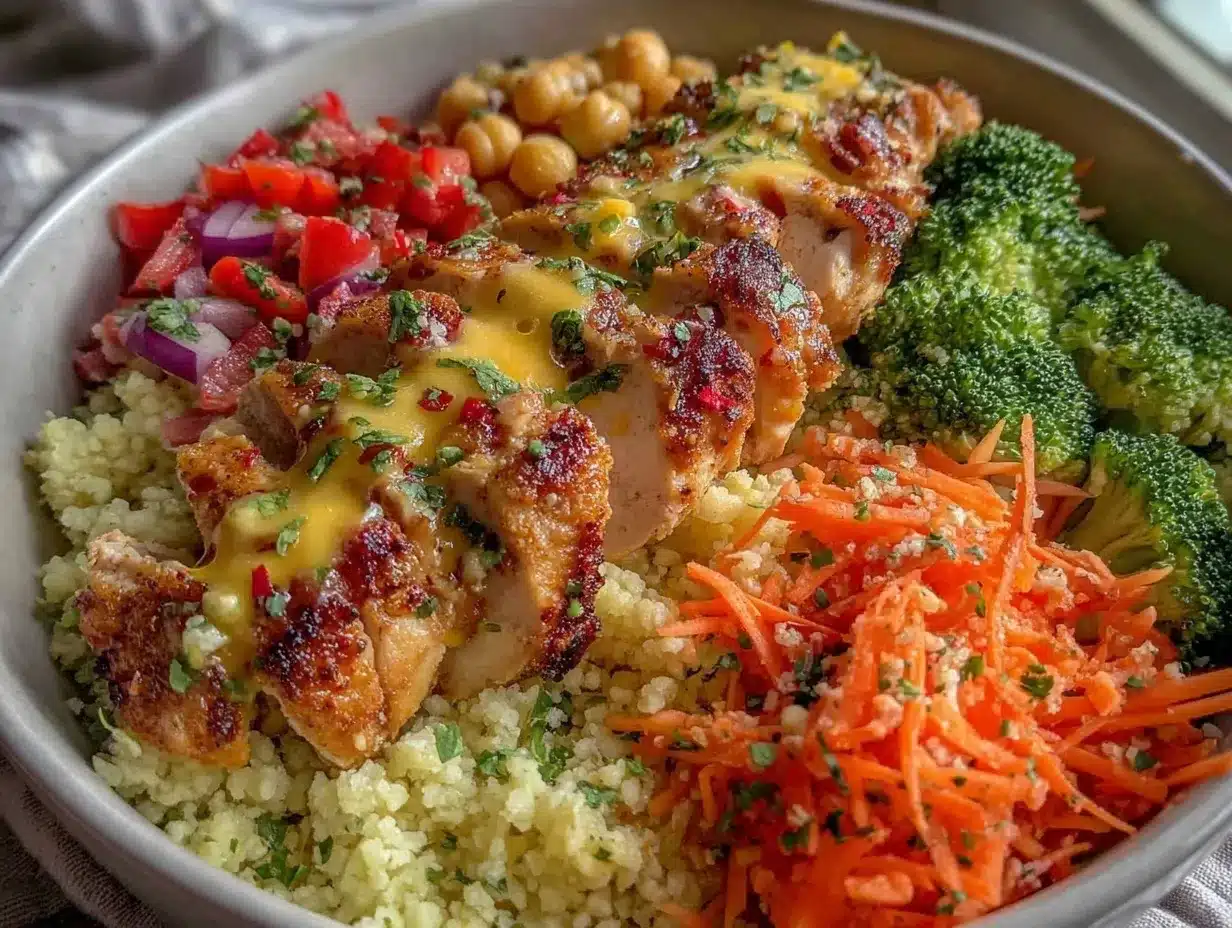
Healthy Volume Eating Recipes: 5 High-Protein Low-Calorie Meals for Large Portions
These recipes offer large, satisfying meals that are high in protein and low in calories, perfect for enjoying hearty portions without the guilt or sluggishness.
- Prep Time: 15 minutes
- Cook Time: 15 minutes
- Total Time: 30 minutes
- Yield: 4 servings 1x
- Category: Main Course
- Cuisine: American
Ingredients
- 1 pound skinless chicken breast, cut into bite-sized pieces
- 1 can chickpeas, drained and rinsed
- Egg whites
- 1 cup low-fat cottage cheese (small-curd preferred)
- Firm tofu
- 2 cups fresh or frozen spinach
- 1 large zucchini, diced or spiralized
- 1 cup cherry tomatoes, halved
- 2 cups cauliflower florets
- 1–2 bell peppers
- 2 cloves garlic, minced
- 2 tablespoons fresh herbs (parsley, basil, or cilantro), chopped
- 1 teaspoon paprika
- 1 teaspoon cumin
- Black pepper to taste
- Salt to taste
- 1 tablespoon lemon juice
- 1 tablespoon low-sodium soy sauce or tamari
- 1 tablespoon olive oil
Instructions
- Trim any fat from chicken breast and cut into bite-sized pieces. Season lightly with salt, pepper, paprika, and a splash of lemon juice. Let sit for 5 minutes.
- Dice zucchini, halve cherry tomatoes, roughly chop spinach, and break cauliflower into small florets.
- Heat olive oil in a non-stick pan over medium heat. Cook chicken pieces for 6-8 minutes until golden brown and cooked through (internal temperature 165°F). Remove and set aside.
- In the same pan, sauté minced garlic for 30 seconds until fragrant. Add zucchini and cauliflower florets and cook for 5-7 minutes until tender but slightly crisp.
- Add spinach and cherry tomatoes, cooking for another 2 minutes until spinach wilts.
- Return chicken to the pan. Stir in fresh herbs and season with salt, pepper, and soy sauce. Cook together for 2 minutes to meld flavors.
- Optional: Blend cottage cheese with lemon juice and black pepper until smooth for a creamy topping.
- Serve chicken and vegetable mixture in large bowls with a dollop of cottage cheese blend or on the side.
Notes
If chicken starts drying out, lower heat and cover pan briefly to keep it juicy. Don’t overcrowd the pan to ensure proper browning. Use fresh herbs to brighten flavors and reduce salt. Keep vegetables slightly crisp for best texture. Store leftovers in airtight containers in the fridge for up to 3 days. Cottage cheese blends do not freeze well.
Nutrition
- Serving Size: About 1.5 cups (350
- Calories: 375
- Sugar: 6
- Sodium: 400
- Fat: 9
- Saturated Fat: 1.5
- Carbohydrates: 28
- Fiber: 6
- Protein: 38
Keywords: healthy volume eating, high protein, low calorie, large portions, chicken breast, cottage cheese, vegetables, quick meals, meal prep